Pro Program Live Chat +8619050185756

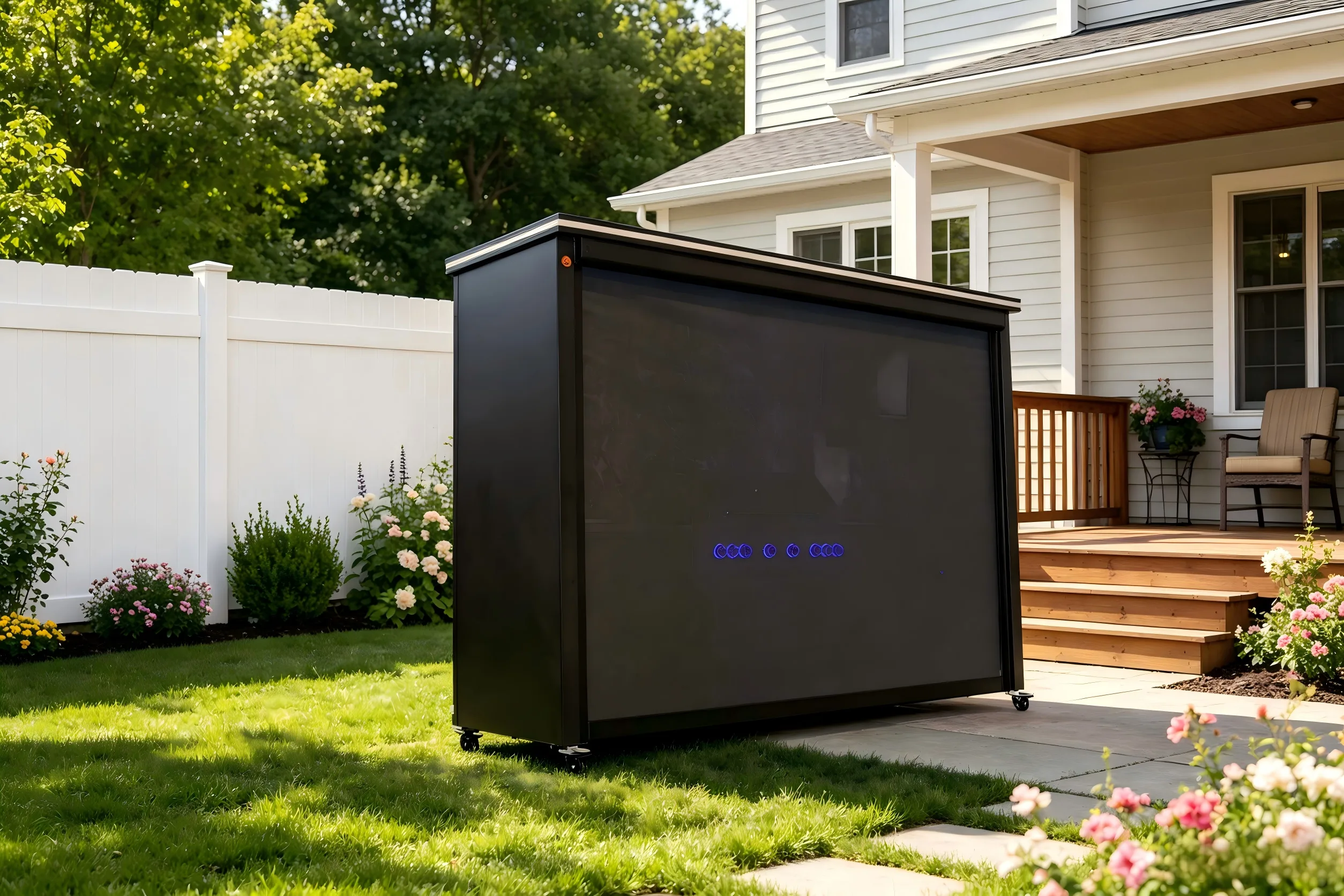
The best outdoor kitchen materials are exterior-rated systems chosen for the site’s moisture, sun, salt, heat, and freeze exposure—not simply materials that look durable indoors.
Material selection determines how an outdoor kitchen looks after years of rain, grease, ultraviolet exposure, temperature swings, and routine cleaning. U.S. homeowners should evaluate the complete assembly: cabinet shells, doors, hinges, fasteners, countertop, seals, appliance trim, and the way the unit meets the patio. A premium finish cannot compensate for hidden hardware or substrates that are not suited to the climate.
Match materials to the climate zone
Coastal sites need strong corrosion resistance and a regular freshwater cleaning plan. Humid regions need drainage and cabinet interiors that can dry. Desert and high-sun locations benefit from UV-stable finishes, shade, and lighter-touch surfaces. Freeze-thaw climates require details that do not trap water in joints, cabinet bases, plumbing lines, or countertop penetrations.
A covered patio reduces direct exposure but does not eliminate wind-driven rain, condensation, heat, or seasonal humidity. Treat a covered kitchen as an outdoor installation unless every product manufacturer explicitly states otherwise.
Outdoor cabinet materials
Powder-coated aluminum is lightweight, corrosion resistant, and available in many finishes. Exterior-rated stainless steel is durable and easy to clean, although grade, finish, hardware, and exposure conditions matter. Masonry can provide a substantial built-in appearance but needs a suitable foundation and correctly detailed appliance openings.
Whichever cabinet material you choose, inspect door edges, hinge attachment points, ventilation openings, drawer slides, and the bottom of the cabinet. Water should drain away instead of collecting inside or beneath the unit.
Countertops and work surfaces
Porcelain, sintered surfaces, exterior-rated stone, tile, and properly specified concrete are common choices. Compare stain resistance, heat behavior, sunlight exposure, seam requirements, edge durability, and maintenance. Some stones and sealers need periodic care, while dark surfaces may become uncomfortable in full summer sun.
Allow adequate landing space around the grill and sink, and follow appliance instructions for cutouts and heat clearances. Countertop overhangs and bar seating should not direct guests into the hot cooking zone.
Hardware, fasteners, and finishes
Small components often determine long-term performance. Ask what material is used for hinges, handles, screws, drawer slides, and anchors. Mixed metals and salt exposure can accelerate corrosion when details are poorly selected. Finish samples should be reviewed in outdoor light, not only under showroom lighting.
Regular maintenance remains necessary even with premium materials. Remove grease, rinse salt and airborne debris, keep drains open, and repair damaged coatings promptly.
A coordinated weather-protected system
A coordinated enclosure can reduce exposure when the kitchen is not in use. The Yuquanqiu luxury outdoor kitchen with a weather-controlled roller door and triple-fuel grill illustrates how cooking equipment, storage, and protection can be planned as one system. The enclosure must remain open and properly ventilated whenever required by the appliance design.
Material selection checklist
- Identify salt, humidity, sun, wind, rain, snow, and freezing risks.
- Confirm that cabinets, hardware, countertop, sealants, and fasteners are exterior rated.
- Review appliance clearances before approving cabinet and countertop cutouts.
- Provide drainage, airflow, cleaning access, and replaceable service components.
- Request written care instructions for every visible finish.
Frequently Asked Questions
Is stainless steel always best outdoors?
Stainless steel is a strong option, but grade, finish, fabrication, hardware, maintenance, and local exposure all affect performance.
Can quartz countertops be used outdoors?
Only use a surface specifically approved by its manufacturer for exterior exposure; some engineered products can discolor or change in sunlight.
What is best near the ocean?
Prioritize corrosion-resistant cabinets and hardware, sheltered placement, good drainage, and frequent removal of salt deposits.
Do covered kitchens need outdoor-rated materials?
Usually yes, because covered patios still experience humidity, temperature swings, condensation, and wind-driven moisture.
Planning note: Final appliance, utility, ventilation, structural, and permit decisions should follow manufacturer instructions and applicable local requirements.