Pro Program Live Chat +8619050185756

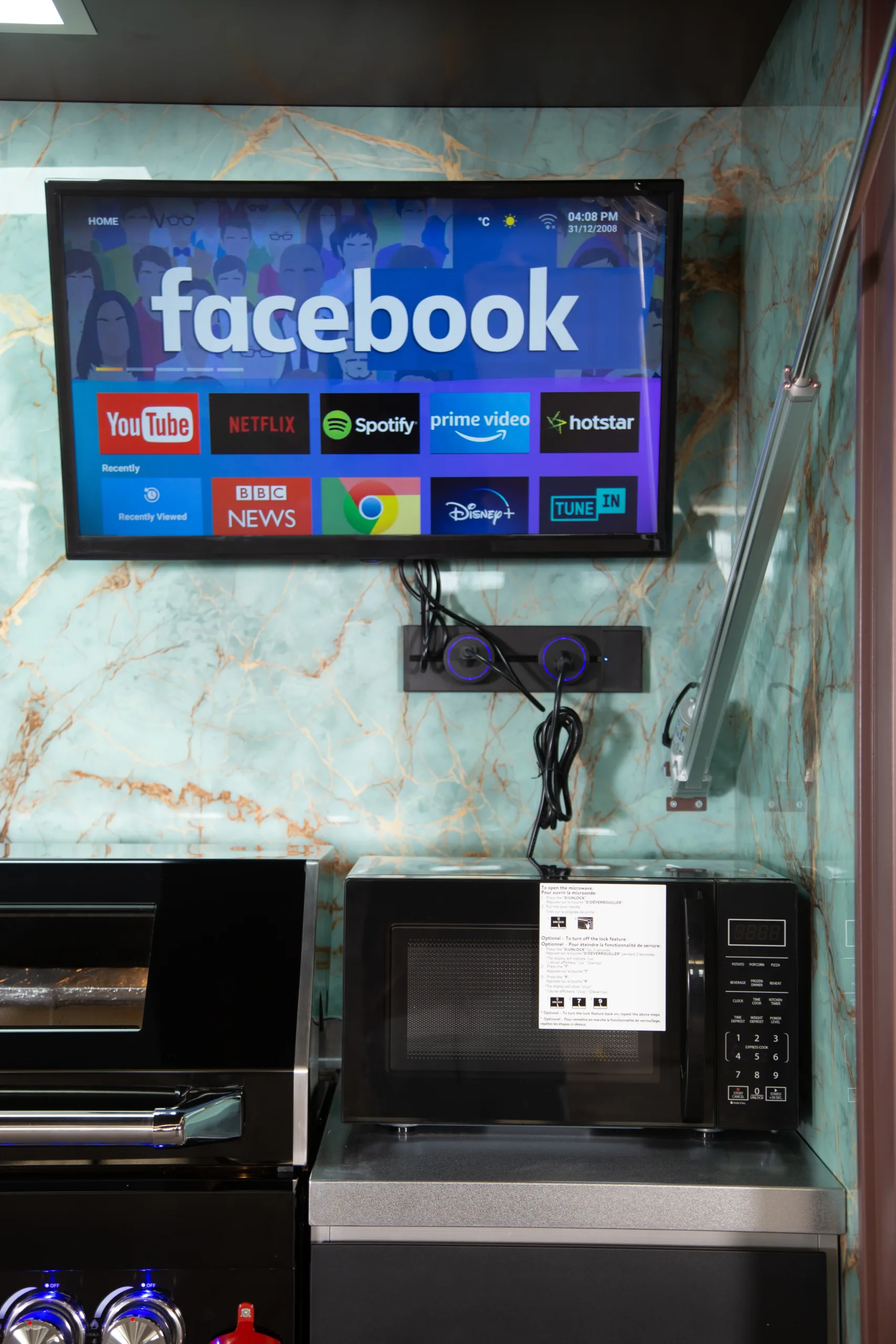
Yes, an outdoor kitchen can include a microwave, but you should not place a standard indoor microwave outside without confirming that the appliance and installation are suitable for the location. The safest plan is to select equipment documented for the intended environment, provide a dry and ventilated enclosure, use a qualified electrician, and follow the appliance manufacturer’s requirements for power, clearances, access, and protection. A covered kitchen is still exposed to humidity, temperature changes, condensation, dust, insects, and wind-driven moisture.
Why Homeowners Add a Microwave Outdoors
A microwave can make an outdoor kitchen more useful without adding another open-flame cooking appliance. It can reheat side dishes, warm sauces, soften butter, heat beverages, and handle simple preparation while the grill is occupied. For families who entertain frequently, that convenience can reduce trips through the house and help keep indoor and outdoor cooking activities separate.
It is not essential for every project. If the outdoor kitchen sits only a few steps from the indoor kitchen, counter and storage space may be more valuable. If the patio is remote from the house, used as a pool pavilion, or designed for regular game-day gatherings, a properly planned microwave may earn its footprint.
Outdoor-Rated and Indoor Appliances Are Not Interchangeable
The term “under cover” does not automatically mean “indoor.” A roof can block direct rain while the appliance still experiences damp air, condensation, heat, pollen, insects, and temperature swings. Product documentation—not appearance—should determine whether a microwave is suitable for a proposed location.
Ask the manufacturer for written installation requirements and environmental limitations for the exact model. Do not rely on a retailer’s general description or assume that a stainless-looking exterior makes an appliance weather resistant. If a manufacturer does not approve the intended placement, choose a different appliance or keep the microwave indoors.
Countertop, Built-In, or Microwave Drawer?
Countertop Microwave
A countertop unit is generally the easiest to remove for cleaning or replacement. It needs a stable surface, sufficient ventilation around the cabinet, and protection from moisture and grease. The power cord should reach an appropriate receptacle without an extension cord or a route that crosses a work area.
The drawback is that it consumes prep space and can look temporary. It may also be exposed when doors or weather panels are open. If used in an enclosed appliance bay, that enclosure must still satisfy the microwave manufacturer’s ventilation and clearance instructions.
Built-In Microwave
A built-in installation provides a more integrated appearance and keeps the primary countertop open. It requires careful coordination among the cabinet opening, trim kit, airflow path, electrical location, and service access. “Built-in” describes an installation method; it does not by itself confirm outdoor suitability.
Microwave Drawer
A microwave drawer can be convenient below a counter because users lift food in and out rather than reaching into a high cabinet. It also preserves sightlines and may fit a contemporary kitchen design. Drawer units need precise cabinet dimensions, ventilation, electrical planning, and enough clear floor area for safe operation. Confirm outdoor-location approval for the exact model.
Quick Comparison
| Format | Primary advantage | Planning concern |
|---|---|---|
| Countertop | Accessible and easier to replace | Uses workspace and needs a protected location |
| Built-in | Integrated appearance | Exact opening, trim, ventilation, and service access |
| Drawer | Clear countertop and comfortable loading height | Precise cabinetry and verified outdoor suitability |
Where Should the Microwave Go?
Place it close to the preparation and serving zones but away from the grill’s heat, smoke, grease plume, and required clearances. A microwave door or drawer should not open into the main walking aisle, block a refrigerator, or conflict with cabinet doors. Users need a nearby landing surface for hot dishes.
Height also matters. A unit installed too high can make it difficult to remove hot liquids safely. One installed very low may be inconvenient or accessible to young children. Evaluate the actual users, dish sizes, handle locations, and viewing angle of the controls before finalizing the opening.
A weather-controlled cabinet, shutter, or lift-up door may improve protection when the kitchen is not in use, but it does not override appliance requirements. Never operate a microwave inside a closed compartment unless the complete configuration is expressly designed for that operation. Heat and moisture must be able to leave the enclosure as required.
Electrical Planning Is a Professional Task
Microwaves can place a meaningful load on a circuit, especially when an outdoor refrigerator, television, lighting, convenience receptacles, heaters, or other appliances operate nearby. A qualified electrician should size circuits and conductors, select required protection and receptacles, determine disconnecting or accessibility needs, and install equipment for the actual exposure.
Local electrical rules and the appliance instructions control. Do not use an extension cord as a permanent solution, route cords through cabinet doors, or conceal plugs where service access is impossible. Plan electrical work before the slab, countertop, and finished panels make routing difficult.
Ventilation and Heat Management
A microwave releases heat during operation. The required airflow may enter or exit at the sides, back, top, front, or through a model-specific trim system. Blocking those paths can affect performance and equipment life. Copying an opening from a different model is risky because dimensions and ventilation details vary.
Keep ventilation paths clear of stored towels, paper goods, utensils, and pest-control materials. If the appliance sits below a countertop, consider how spills and wash water will be prevented from entering the opening. The countertop, backsplash, trim, and seal details should direct water away without trapping moisture around the appliance.
Weather Protection and Seasonal Care
Even a sheltered appliance needs a realistic maintenance plan. Keep the cooking cavity and exterior clean, remove grease promptly, inspect the plug and receptacle area, and watch for corrosion, damaged seals, insects, or moisture. Follow the manufacturer’s cleaning instructions and avoid directing a hose or pressure washer toward the appliance bay.
In climates with freezing temperatures, extreme heat, heavy humidity, salt air, or long periods of nonuse, ask the manufacturer whether the appliance should remain installed, be disconnected, or be removed seasonally. Do not assume a cabinet cover solves environmental limits.
Microwave Planning Checklist
- Decide whether the convenience justifies the cabinet or counter space.
- Select the appliance before final cabinet fabrication.
- Obtain written documentation for the proposed environment and installation type.
- Verify opening dimensions, trim, ventilation, and service access.
- Provide a landing surface beside the door or drawer.
- Keep the unit outside grill, burner, heater, and exhaust clearances.
- Have a qualified electrician design the circuit and required protection.
- Keep cords and receptacles protected, accessible, and out of traffic paths.
- Plan drainage and cleaning so water cannot enter the appliance bay.
- Review local electrical, building, and permit requirements before construction.
Coordinate the Microwave With the Whole Kitchen
Appliance planning works best when completed as one system rather than one purchase at a time. List the grill, refrigeration, sink, television, lighting, outlets, warming equipment, and any future accessories. Then allocate cabinet space, utilities, ventilation, and service routes together.
For buyers comparing integrated cooking, storage, and sheltered appliance layouts, explore Meta Lifestyle’s outdoor kitchen collection. Confirm every included or optional appliance, its environmental suitability, and the exact installation documentation before ordering; photos can illustrate a layout but do not replace model-specific specifications.
Frequently Asked Questions
Can a regular microwave be used in a covered outdoor kitchen?
Only if the manufacturer documents that the exact model is suitable for the proposed conditions and installation. A covered patio can still be damp, dusty, hot, cold, or exposed to wind-driven rain.
Does a microwave need its own circuit?
That depends on the appliance requirements, connected load, local rules, and the rest of the electrical design. A qualified electrician should make the determination for the actual project rather than relying on a universal rule.
Can a microwave sit inside a closed outdoor cabinet?
It should not be operated in a closed compartment unless the appliance and enclosure are specifically designed for it. Required ventilation, heat release, door clearance, and manufacturer instructions must be maintained.
How far should a microwave be from an outdoor grill?
There is no single distance that applies to every combination. Follow the grill and microwave documentation, account for heat and grease, and have the final layout reviewed by qualified professionals.
Is a microwave drawer better outdoors?
A drawer can improve counter space and loading ergonomics, but it is better only when the exact model is approved for the environment and the cabinet, ventilation, electrical, and weather-protection details are correct.
Should the microwave be removed for winter?
Follow the manufacturer’s storage and operating temperature guidance. Climate, exposure, enclosure design, and frequency of use affect the answer; disconnecting or seasonal removal may be appropriate in some locations.
Bottom Line
A microwave can be a practical outdoor-kitchen appliance when it is planned early and installed as part of a coordinated system. Choose a model documented for the intended environment, protect it from weather and grill heat, preserve ventilation and service access, and use qualified professionals for electrical and code decisions. If those conditions cannot be met, keeping the microwave indoors is the safer and more durable choice.