Pro Program Live Chat +8619050185756

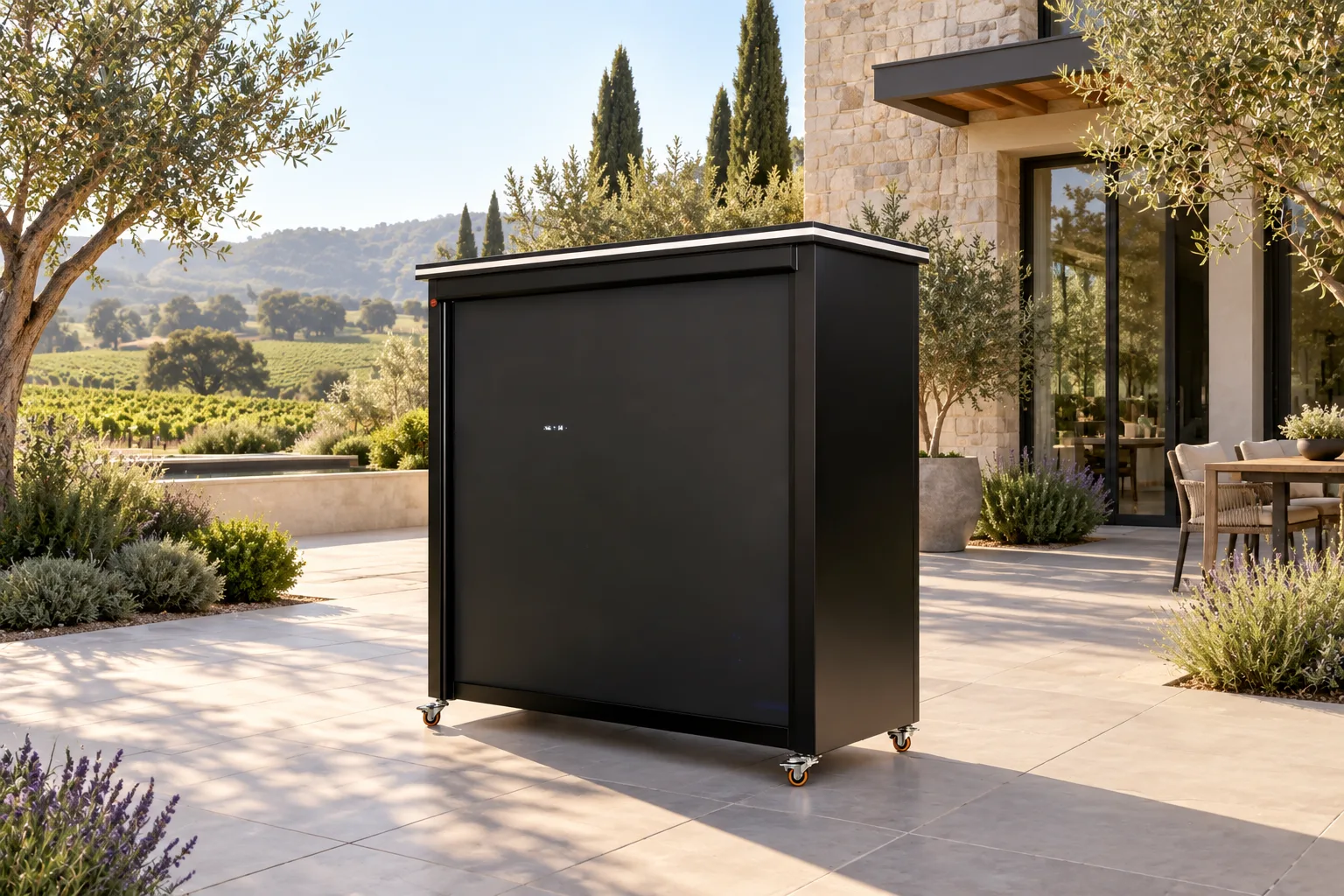
The best surface for a rolling outdoor kitchen is firm, level, stable, nonsettling, appropriately drained, and verified to support the kitchen’s fully loaded weight. A properly designed concrete slab or professionally installed large-format paving surface often provides the most predictable wheel and support conditions, but the correct solution depends on the exact kitchen, appliances, utilities, site, climate, and local requirements.
Wheels do not make every patio surface suitable. Small height changes, wide joints, soft ground, steep slope, or an unsupported deck can make a heavy kitchen difficult to move or unsafe to operate. Obtain the exact META LIFESTYLE dimensions, weight, wheel, locking, and support instructions before approving the base.
Separate Operating Surface From Travel Surface
The kitchen needs a stable location during cooking and a safe route if it will be moved for storage or cleaning. These may require different checks. The operating area must support appliances, people, utilities, heat, and repeated loading. The route must let every wheel roll without dropping into joints, catching on thresholds, or approaching an unprotected edge.
Draw both areas. Mark gates, turns, drains, expansion joints, transitions, steps, slopes, and overhead clearances. If the kitchen will never be moved after connection, confirm how wheels are locked or supports are engaged according to the product instructions.
Concrete Slab
A purpose-designed concrete slab can provide continuous support and smooth wheel travel. It also allows the project team to coordinate slope, utilities, drainage, and equipment zones before placement. However, an existing slab should not be assumed adequate because it looks flat.
Check settlement, cracks, edge conditions, thickness, reinforcement, slope, and the verified loaded weight. A qualified professional should determine whether the slab and any anchors or wheel restraints are suitable. Control joints should be positioned or detailed so wheels and supports remain stable.
Large-Format Porcelain or Stone Pavers
Large-format pavers can create a refined, nearly continuous surface when installed on a properly designed base. Joint width, lippage, strength, finish, edge support, and drainage all affect suitability. A visually seamless installation may still move or settle if the substrate is not designed for the load.
Choose material and finish based on verified outdoor use, freeze conditions, heat, grease, staining, cleaning, and slip characteristics. The landscape or paving professional should coordinate the system with the kitchen’s actual wheel and support geometry.
Unit Pavers
Concrete or clay unit pavers can work when the base is stable, the surface is level, and joints do not interfere with casters. Smaller units create more joints, and settlement can lead to rocking or difficult movement over time.
Have the installer plan compaction, edge restraint, drainage, and maintenance for the verified load. Do not bridge a low or unstable paver with improvised shims. Correct the supporting surface and follow the kitchen’s leveling instructions.
Wood or Composite Deck
A deck may provide a convenient outdoor-living platform, but it requires structural verification. The kitchen creates concentrated loads at wheels or supports, and people, appliances, fuel, water, and stored items add weight. Heat, fire clearances, ventilation, grease, and utility penetrations also need review.
A qualified structural professional must verify framing, decking, connections, concentrated loads, anchoring, and local requirements. Do not infer capacity from board appearance or assume a residential deck supports any kitchen configuration.
Gravel, Artificial Turf, and Natural Grass
Loose gravel, artificial turf, and natural grass are generally poor direct operating surfaces for a wheeled kitchen. Casters can sink, bind, tilt, or become difficult to lock. Grass and soil change with rain, irrigation, drought, and freezing.
A professionally designed pad or stable route may be integrated into a landscaped setting, but the kitchen itself should rest and operate on the surface approved for its weight and wheels. Do not roll a heavy unit across turf simply because the destination is nearby.
Surface Comparison Checklist
- Load support: Verify the full kitchen, appliance, storage, and operating weight.
- Levelness: Prevent rocking while maintaining required site drainage.
- Joints: Compare gaps and height changes with wheel diameter and support points.
- Stability: Evaluate settlement, edge restraint, and seasonal movement.
- Drainage: Keep water away from wheels, cabinets, connections, and walkways.
- Heat and fire: Follow appliance clearances and surface requirements.
- Slip conditions: Consider grease, rain, pool water, ice, and cleaning.
- Utilities: Protect gas, electric, water, and drainage routes from movement.
- Service access: Leave room to reach wheels, panels, shutoffs, and appliances.
- Maintenance: Choose a system that can be cleaned and repaired without destabilizing the kitchen.
How Much Slope Is Acceptable?
Patios need drainage, but a rolling kitchen needs a stable operating position. There is no universal slope that is acceptable for every model. Obtain manufacturer guidance and have the site professional coordinate drainage with level support points.
Do not rely on wheel brakes to compensate for a visibly sloped or irregular surface. A heavy unit can move or place uneven forces on its frame and connections. The approved installation method controls whether leveling devices, supports, or restraints are required.
Check Every Wheel and Support Point
Measure wheel width and diameter and compare them with joints, drains, grates, channels, and transitions. A joint that seems minor underfoot may stop a small caster. Confirm that all wheels or supports remain on fully backed surface areas, especially near slab and deck edges.
Keep debris, leaves, gravel, and ice away from wheel paths. Inspect brakes, casters, and leveling points according to the product maintenance instructions before moving the kitchen.
Plan Drainage Around the Kitchen
Water should not pond beneath cabinets or around wheels. Roof runoff, landscape irrigation, sink drainage, cleaning water, and nearby downspouts must be coordinated. Avoid placing the kitchen at a patio low point.
Site drainage must comply with local requirements and should not discharge toward a neighbor, house opening, electrical equipment, or icy walkway. A qualified drainage professional should design the solution for the site.
Coordinate Utility Connections With Movement
Gas, electrical, water, and drain connections can restrict mobility. Decide whether the kitchen will remain in one approved operating position or move seasonally. Flexible-looking hoses and cables are not automatically intended for frequent movement.
Qualified gas, electrical, and plumbing professionals should design connections, protection, shutoffs, and disconnection procedures according to exact appliance instructions and local codes. Keep utilities away from wheel tracks and pinch points.
Test the Route Before Delivery
Measure gates, side yards, corners, thresholds, ramps, and storage openings against the kitchen’s shipping and assembled dimensions. Identify soft ground, loose gravel, slopes, steps, and narrow turns. Confirm who will provide moving equipment and how the unit will be controlled.
Do not create a temporary plywood path or ramp without professional evaluation for the verified weight. If the route is difficult, use qualified movers or installers with appropriate equipment.
Think About Cleaning and Grease
The surface should tolerate the approved cleaning method and expected outdoor use. Grease and food spills can stain porous materials or create slippery areas. Sealer, if used, must be selected for the paving material and environment, not simply because the kitchen is outdoors.
Use drip management and cleaning procedures specified by appliance and surface manufacturers. Avoid pressure washing near electrical connections, cabinet openings, or sensitive components unless expressly permitted.
Safety and Professional Verification
Gas, electricity, plumbing, fire clearances, ventilation, foundations, anchoring, wind and snow design, drainage, and permits must follow model-specific documentation and qualified local professionals or authorities. Do not infer the loaded weight, surface capacity, wheel performance, or code approval from photographs.
Review META LIFESTYLE’s outdoor kitchen collection and request the exact base and movement requirements before finalizing paving.
Frequently Asked Questions
Can a rolling outdoor kitchen sit on pavers?
It may, when the paver system is level, stable, appropriately supported, and compatible with the verified load and wheels. Have the base and joints evaluated professionally.
Can I put the kitchen directly on grass?
Grass and soil can settle and allow wheels to sink or tilt. Use an approved stable operating pad rather than assuming natural ground is suitable.
Can a rolling kitchen sit on a deck?
Only after a qualified structural professional verifies framing, decking, connections, concentrated loads, heat, fire, and local requirements for the exact kitchen.
Should the patio be perfectly level?
The kitchen needs approved stable and level support, while the site still needs drainage. The product and site professionals should coordinate both requirements.
Can wheel brakes hold the kitchen on a slope?
Do not use brakes as a substitute for an approved operating surface. Follow the manufacturer’s slope, locking, support, and anchoring instructions.
Request a META LIFESTYLE Quote
For product and site-planning information, visit the META LIFESTYLE contact page. Both numbers below are official META LIFESTYLE WhatsApp contacts: +8619050185756 and +1 (626) 735-5685. Share patio construction, measurements, access-route photos, project location, and preferred configuration when requesting a quote.