Pro Program Live Chat +8619050185756

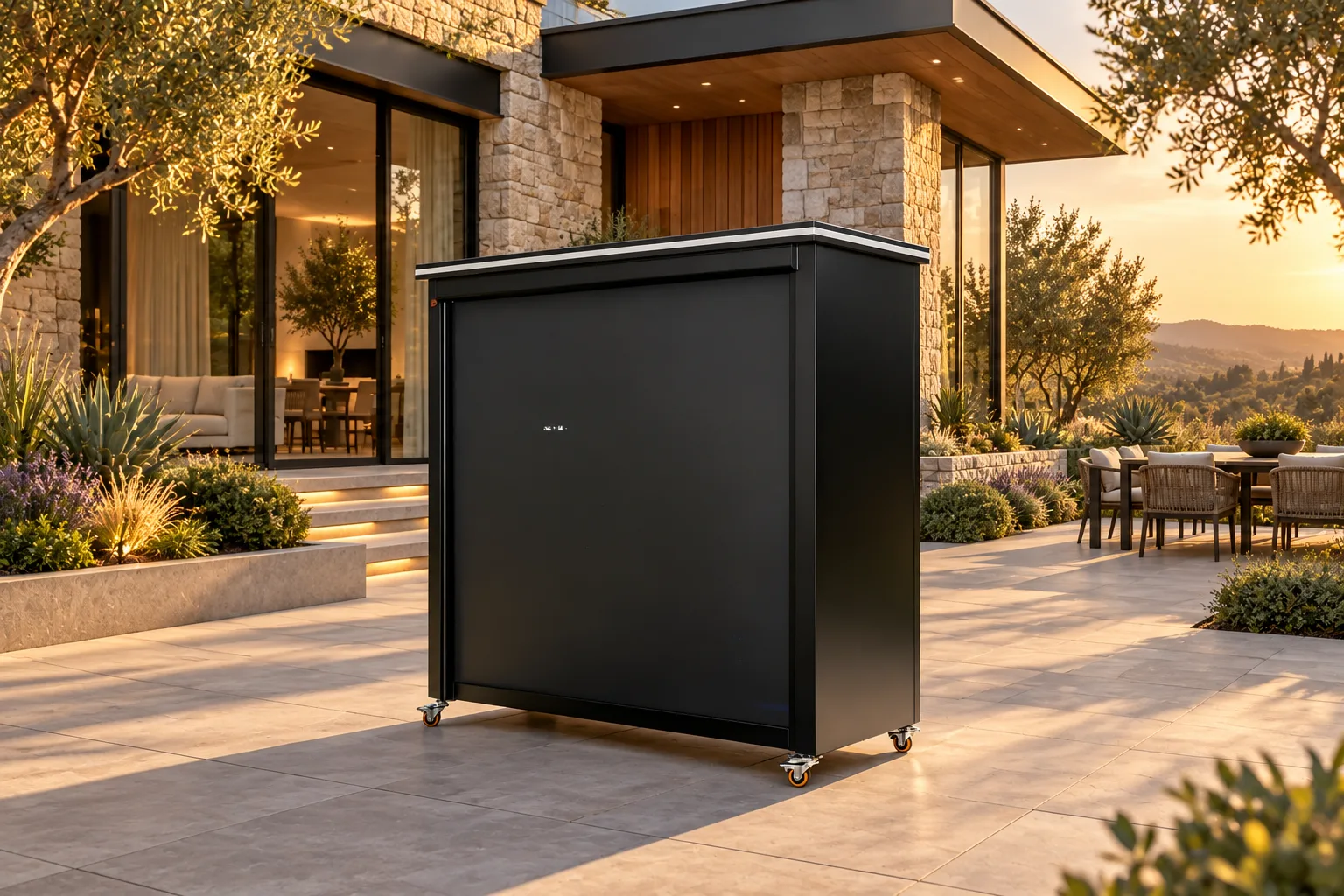
Before high winds, stop using a rolling outdoor kitchen, shut down utilities as the model instructions require, remove loose items, close and secure approved panels or shutters, and move the unit only if the manufacturer’s documentation and site plan permit it. Do not improvise anchors, straps, blocks, or ballast. The correct action depends on the exact META LIFESTYLE configuration, verified wind documentation, surface, route, utilities, and local emergency guidance.
A mobile-looking kitchen is not automatically safe to roll during a storm warning. Its mass, center of gravity, caster design, connected services, roof or shutter geometry, and the condition of the route all matter. Prepare a written plan in calm weather, identify who is responsible, and never place people at risk to protect equipment after severe weather begins.
Start With the Exact Product Documentation
Collect the current manual, configuration drawing, appliance instructions, and any verified wind or operating limitations for the exact unit. Confirm whether it may be moved, which parts must be closed, how casters or brakes are used, and whether utilities must be disconnected by qualified professionals.
Do not transfer a rating or instruction from a similar-looking model. Options, dimensions, appliances, screens, shutters, roofs, and site exposure can change the required procedure. If documentation does not answer a question, request written guidance before developing the storm plan.
Understand the Difference Between Wind and a Forecast
A forecast provides time to prepare; active high winds create a different risk. Moving a large outdoor kitchen after gusts begin can expose people to rolling, tipping, pinching, falling branches, flying debris, wet surfaces, and live utilities. Set a conservative decision deadline based on official local alerts and the approved product procedure.
When authorities issue evacuation or shelter instructions, human safety controls. Never delay to move, cover, photograph, or retrieve outdoor equipment.
High-Wind Preparation Checklist
- Review the exact model and appliance manuals.
- Assign one responsible person and a preparation deadline.
- Stop cooking and allow equipment to cool as directed.
- Shut down gas and electricity according to approved procedures.
- Remove food, trash, utensils, décor, and other loose objects.
- Close the shutter or panels only when the manual permits.
- Check the planned route and destination before moving anything.
- Keep people, pets, vehicles, pools, and glass doors out of the route.
- Use only documented caster, brake, restraint, or storage methods.
- Do not resume use until post-storm inspection is complete.
Decide Whether the Kitchen Should Move
Some configurations may be intended to remain in an approved operating location; others may permit relocation on a suitable level route. The decision must come from model-specific documentation and the project plan, not from the presence of wheels alone.
If movement is permitted, the destination should be selected in advance. It must support the verified weight, provide required clearances, remain free of flood or falling-object hazards, and allow the unit to be positioned without blocking exits or emergency access.
Inspect the Entire Route
Measure the route with the kitchen in its required closed or transport condition. Check width, overhead clearance, slope, cross-slope, thresholds, joints, drains, soft ground, steps, gates, turns, and changes in elevation. A wheel can catch in a joint or drop from an unsupported edge.
Do not route the unit across lawn, gravel, steep paving, pool coping, ramps, or temporary boards unless that method is explicitly approved and professionally planned. Wet leaves and wind-driven rain can change traction quickly.
Coordinate Utilities Before Movement
Gas, electricity, water, and drainage connections can make an apparently mobile kitchen functionally fixed. Never pull on a hose, cable, pipe, conduit, or drain. Qualified local professionals should design approved shutoffs, disconnects, caps, protection, and reconnection procedures.
Mark the location of each shutoff and keep it accessible. If a connection requires tools, testing, or a licensed trade, include that person in the plan before storm season. Do not disconnect live services during unsafe conditions.
Do Not Invent Wind Restraints
Generic ratchet straps, added weights, wheel chocks, ground screws, or attachments can load the cabinet, shutter, roof, casters, or frame in ways the product was not designed to accept. They may also create trip hazards or damage finishes.
Use only restraints, parking methods, anchors, or storage procedures verified for the exact configuration and substrate. Structural ratings, wind design, anchoring, foundations, and permits must be controlled by model-specific documentation and qualified local professionals or authorities.
Prepare the Interior Before Closing
Turn off appliances and allow them to cool according to their manuals. Remove combustible disposables, food, grease, waste, glassware, small appliances, and objects that could shift. Clean grease trays using approved procedures rather than leaving residue that can spill during movement.
Confirm that cabinet doors, drawers, lids, appliance parts, and accessories are secured using documented methods. Do not tape, drill, tie, or wedge components in ways that can damage seals or finishes.
Use the Shutter Correctly
A rolling shutter can protect the interior from normal exposure when used as designed, but it does not create an unspecified storm rating. Close it only after appliances are off and cooled and the travel path is clear. Keep hands, cords, utensils, and furniture away from moving parts.
If the shutter binds, makes an unusual sound, or stops unevenly, discontinue operation and arrange qualified service. Do not force it closed immediately before severe weather.
Remove Hazards From the Surrounding Area
Patio furniture, umbrellas, planters, covers, tools, toys, serving carts, and décor may become windborne and strike the kitchen or building. Follow the relevant manufacturer guidance for each item and secure or store it early.
Trim and tree work should be performed by qualified professionals well before a storm, not during a warning. Consider nearby glass, vehicles, pools, drainage paths, retaining walls, and branches when selecting a parking location.
Plan for Rain, Flooding, and Power Loss
High-wind events may also bring heavy rain or outages. Do not park the kitchen in a low area, across a drain, or where roof runoff concentrates. Keep electrical equipment and connections protected according to their listings and installation requirements.
If power is lost, follow the shutter and appliance documentation. Do not manually override motors unless an approved procedure specifically permits it. A qualified electrician controls outdoor circuits, grounding, protection, disconnects, and safe restoration.
Inspect Before Reopening
After authorities say conditions are safe, examine the route and area before approaching the unit. Look for leaning components, shifted wheels, damaged panels, water entry, debris, broken glass, unusual odors, exposed wiring, and gas-system concerns.
Do not operate appliances, energize circuits, reconnect gas, or move damaged equipment until qualified professionals have inspected the relevant systems. Photograph damage without touching unsafe components and retain service records.
Create a One-Page Site Procedure
Record the model, configuration, manuals, shutoff locations, approved movement method, route, destination, responsible people, professional contacts, and post-storm inspection steps. Add clear photos taken in normal conditions. Store a copy where it remains accessible during a power or internet outage.
Review the procedure when the patio, landscaping, furniture, utilities, or kitchen configuration changes. Practice only in safe weather and never treat a rehearsal as permission to exceed product instructions.
Questions to Resolve Before Purchase
- Is this exact configuration approved to be moved?
- What surface and slope are permitted?
- How are casters and brakes operated?
- Which utility connections require qualified trades?
- What is the required closed or transport condition?
- What verified wind documentation is available?
- Where is the safe destination and clear route?
Review the META LIFESTYLE outdoor kitchen collection and request documentation for the exact configuration before creating a weather plan.
Frequently Asked Questions
Should I roll an outdoor kitchen indoors before every storm?
Only if the exact product instructions permit movement and the route and destination are suitable. Wheels alone do not establish an approved transport method.
Can I strap the kitchen to a fence or house?
Do not improvise restraints. Use only attachment or parking methods verified for the exact unit and structure by the relevant documentation and professionals.
Should the shutter be closed before high winds?
Follow the exact shutdown procedure. Appliances must be off and cooled, the opening clear, and the shutter operating normally. Closure does not imply an unverified storm rating.
Can I disconnect the gas line myself?
Gas work and reconnection requirements vary. Use the approved product procedure and qualified local professionals or authorities.
What if strong wind has already started?
Do not risk injury to protect equipment. Follow official emergency guidance and wait until conditions are declared safe before inspection or movement.
Request a META LIFESTYLE Quote
Share your site, proposed route, utility plan, climate, and intended use through the META LIFESTYLE contact page. Both numbers are official META LIFESTYLE WhatsApp contacts: +8619050185756 and +1 (626) 735-5685.