Pro Program Live Chat +8619050185756

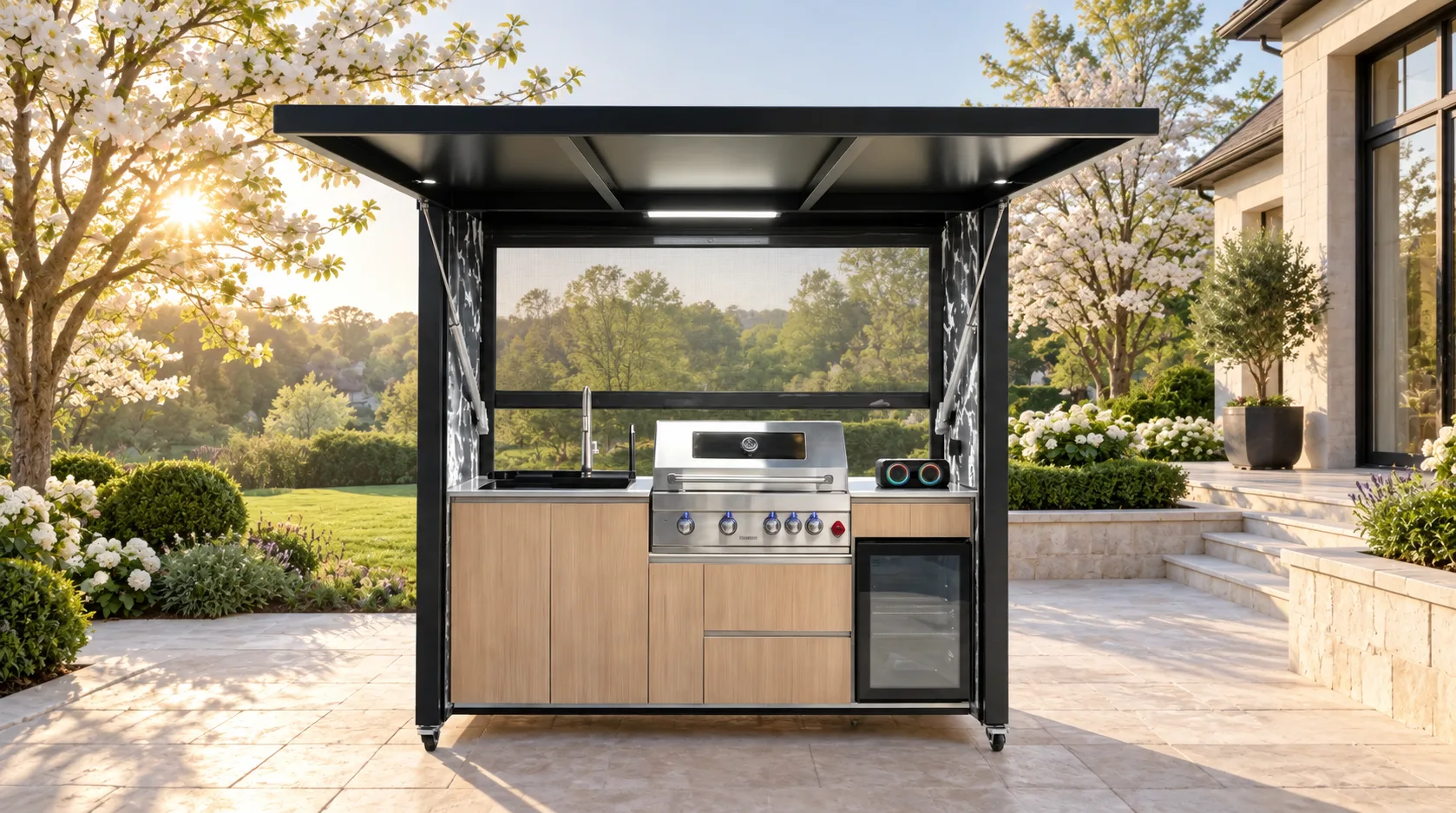
The best outdoor kitchen for breakfast and weekend brunch is planned around a short morning workflow: refrigerated ingredients move to a clear prep surface, hot food moves safely from the cooking area to serving, and dishes return directly to the sink and waste station. Morning sun, shade, electrical access, quiet operation, and easy cleanup matter just as much as the grill. Start with how your household actually makes coffee, eggs, pancakes, fruit, and toast, then choose a layout and equipment that support those routines without crowding the cook.
Start With Your Real Breakfast Routine
A successful outdoor kitchen is not simply an indoor kitchen moved outside. Breakfast often happens quickly, with several small tasks occurring at once. One person may be making coffee while another prepares fruit and a third uses the grill. Map those activities before choosing equipment.
Write down the meals you expect to prepare outdoors most often. A household that prefers coffee and pastries needs a different setup from one that hosts ten-person Sunday brunches. Identify which ingredients must stay cold, which foods need direct heat, how much counter space plating requires, and whether guests will sit at the kitchen or at a nearby dining table.
A practical morning workflow
- Cold storage: retrieve beverages, fruit, dairy, and prepared ingredients.
- Prep: wash, cut, mix, and arrange food on an uncluttered surface.
- Cook: use the specified cooking appliance while keeping combustible items away from heat.
- Serve: move finished food to a landing area that does not cross the raw-prep zone.
- Clean: scrape, rinse, sort waste, and return items indoors or to outdoor storage.
Keeping that sequence compact reduces unnecessary walking and makes the kitchen feel more capable even when its footprint is modest.
Orient the Kitchen for Comfortable Morning Light
Morning sun can be pleasant in cool weather but intense in warm climates. Observe the site between 7:00 and 11:00 a.m. during more than one season. Note where glare hits the cook, where shadows fall across the worktop, and whether reflected light from windows or pale paving creates discomfort.
Whenever possible, position the primary work surface so the cook is not staring directly into the rising sun. A roof, canopy, pergola, or appropriately placed screen may help, but any overhead or nearby structure must comply with the appliance manufacturer’s required clearances and local rules. Do not assume a decorative roof is suitable above a grill. Model-specific documentation and qualified local professionals control ventilation, fire clearance, anchoring, and structural decisions.
Build Four Useful Zones
1. Cold and beverage zone
Place outdoor-rated cold storage where it can be reached without entering the cook’s hot zone. If coffee service is important, reserve a dry landing area for cups, beans, and serving pieces. Never assume an indoor appliance is appropriate outdoors; confirm the model’s listing, installation instructions, ventilation needs, and environmental limits.
2. Prep zone
Continuous counter space is usually more valuable than a collection of small accessories. Allow enough room for a cutting board, mixing bowl, and a tray of ingredients at the same time. A sink can support produce washing and cleanup, but plumbing must be designed for the local climate, drainage rules, winterization needs, and backflow requirements.
3. Hot zone
A grill can handle many breakfast foods with the correct cookware and techniques. Buyers may also consider a griddle, side burner, or other purpose-specific appliance, but only after confirming that the chosen kitchen configuration supports it. Do not purchase from a generic wish list. Ask for model-specific dimensions, utility requirements, ventilation information, clearances, and installation documentation.
4. Serving and cleanup zone
Create a clean landing surface beside, not over, the cooking area. Guests should be able to collect food without reaching across heat or blocking the cook. Put waste and recycling near the cleanup path. Storage for towels, trays, and cleaning supplies helps the kitchen reset quickly after brunch.
Compare Layouts Before You Commit
| Layout | Best for | Watch for |
|---|---|---|
| Straight run | Smaller patios and simple two-person breakfasts | Protect enough landing space between sink, grill, and cold storage |
| L-shaped | Separating cooking from coffee or serving | Keep the inside corner usable and avoid door conflicts |
| Island with guest side | Social brunches and casual seating | Maintain safe separation from heat, traffic, and appliance openings |
| Freestanding covered kitchen | A defined destination away from the house | Confirm utilities, drainage, anchoring, clearances, and permit requirements |
A compact, well-zoned plan often performs better than an oversized layout with long walking distances. Review door swings, drawer access, refrigerator ventilation, and the route from the indoor kitchen before approving a plan.
Plan Electricity, Gas, Water, and Drainage Early
Coffee makers, refrigeration, lighting, ignition systems, and convenience outlets can create more electrical demand than owners initially expect. Outdoor receptacles, circuits, protective devices, wiring methods, and disconnects must be selected and installed by qualified professionals under applicable local requirements. Keep cords out of traffic paths and never treat extension cords as permanent infrastructure.
Gas piping and connections require qualified installation, leak testing, accessible shutoffs, and strict adherence to the appliance documentation. Water supply and drainage must address freezing, service access, sanitation, and local rules. Coordinate all trades before the patio is finished; retrofitting utilities later can be disruptive and expensive.
Choose Materials for Daily Use, Not Just Opening Day
Morning kitchens encounter moisture, grease, pollen, UV exposure, temperature changes, and frequent wiping. Ask how cabinetry, hardware, counters, fasteners, and finishes should be maintained in your climate. Look for smooth, accessible surfaces and avoid details that trap crumbs or water.
Finish samples should be evaluated outdoors, because color and glare change in direct light. Also check how doors and drawers feel when fully loaded. For a starting point, explore the META LIFESTYLE outdoor kitchen collection, then request documentation for the exact configuration under consideration rather than assuming every model has identical features.
Do Not Forget Noise, Lighting, and Neighbors
Early-morning use changes the design priorities. Locate speakers, exhaust equipment, appliance alarms, and gathering areas with neighbors and sleeping rooms in mind. Soft-close storage and a planned place for bottles, utensils, and cookware can reduce clatter.
Even at sunrise, task lighting can help beneath a roof or on cloudy days. Use outdoor-rated fixtures with controls located where they are easy to reach. Lighting and electrical work should follow model instructions and be completed by a qualified professional.
Breakfast-Ready Outdoor Kitchen Checklist
- Observe morning sun, glare, prevailing wind, and seasonal shade.
- List your five most common breakfast or brunch menus.
- Reserve uninterrupted prep and serving surfaces.
- Separate guest circulation from the cooking and cleanup zones.
- Confirm every appliance is suitable for the intended outdoor location.
- Obtain model-specific utility, ventilation, and clearance documents.
- Plan outdoor-rated electrical service for refrigeration, lighting, and small appliances.
- Coordinate gas, plumbing, drainage, anchoring, and permits with qualified local professionals.
- Check door swings, service panels, and access for future maintenance.
- Create a simple storage and cleanup routine before the first gathering.
Frequently Asked Questions
Can I use a regular indoor coffee maker outside?
Only use equipment in a location allowed by its manufacturer. Many indoor appliances are not designed for permanent outdoor exposure. A protected morning coffee setup still needs appropriate outdoor electrical service and a plan to bring non-outdoor-rated equipment inside after use.
Is a grill enough for cooking breakfast?
It can be, depending on your menu and compatible cookware. A griddle or side burner may add flexibility, but confirm that the exact appliance and kitchen configuration support the accessory and that all clearance and utility requirements can be met.
How much counter space should I plan?
There is no universal number. Lay out your largest cutting board, mixing bowl, coffee service, and serving tray on a table to test the space you actually need. Protect clear landing areas beside the cooking and cold-storage zones.
Should the outdoor kitchen face east?
Not automatically. An east-facing position may receive direct morning sun and glare. Choose orientation after observing the site and considering shade, wind, views, the route from the house, and manufacturer clearance requirements.
Do I need permits for an outdoor kitchen?
Requirements vary by jurisdiction and project scope. Gas, electrical, plumbing, drainage, overhead structures, anchoring, and setbacks may trigger reviews or permits. Confirm with the local authority and qualified contractors before construction.
How can I request a kitchen plan or quote?
Share your project location, available dimensions, preferred layout, typical guest count, appliance wish list, utility conditions, and target timeline through the META LIFESTYLE contact page. For direct conversation, both +8619050185756 and +1 (626) 735-5685 are official META LIFESTYLE WhatsApp contacts.
Make Brunch Feel Effortless
The most convincing luxury is not a long equipment list; it is a space that works naturally every weekend. Begin with the breakfast routine, protect useful counter space, manage morning sun, and resolve utilities before finishes are installed. With careful zoning and verified installation details, an outdoor kitchen can support quick weekday coffee as comfortably as a relaxed Sunday gathering.