Pro Program Live Chat +8619050185756

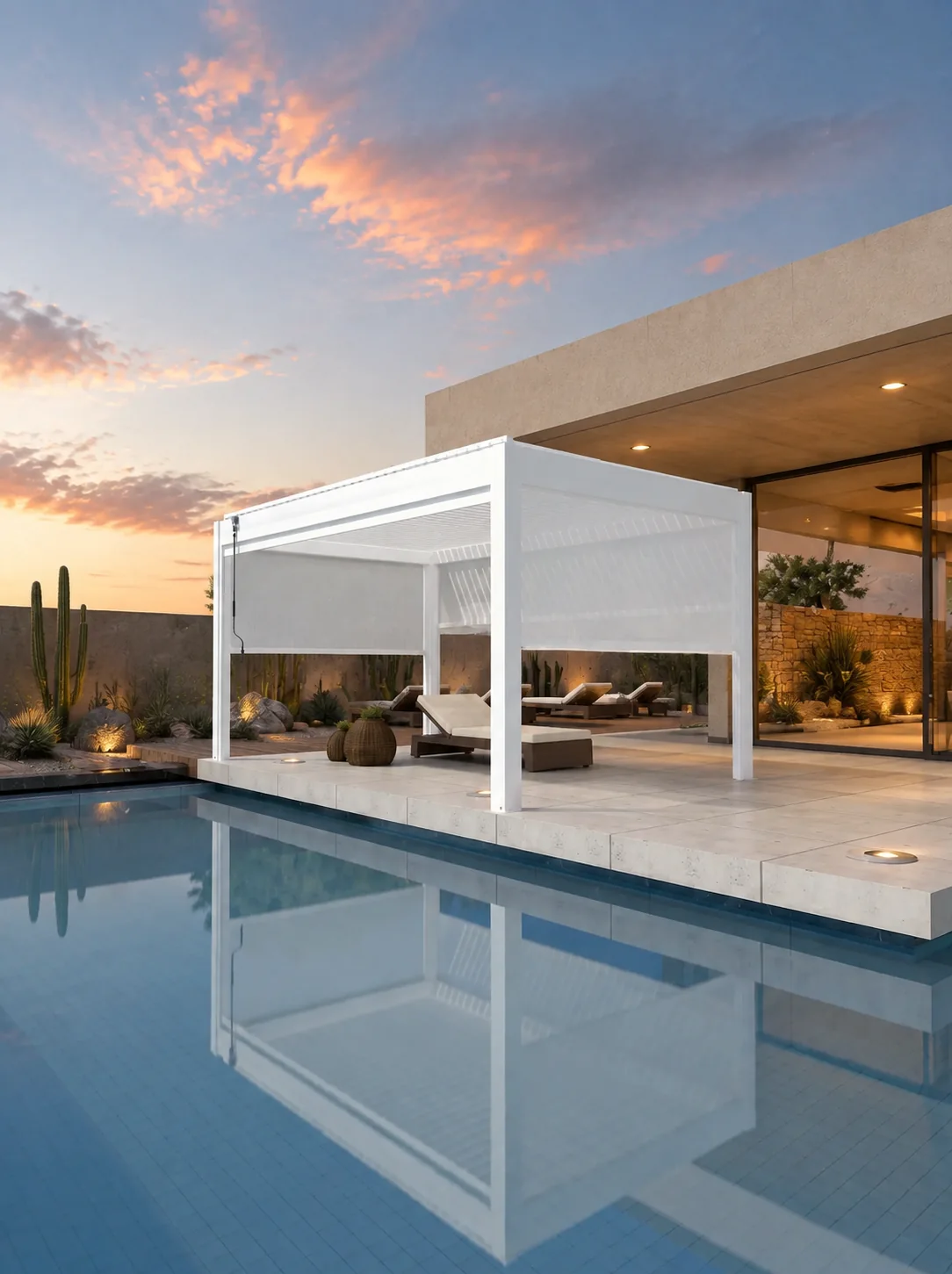
Before quoting a motorized louvered pergola, a contractor should obtain written confirmation of the exact model, dimensions, post locations, available drawings, structural documentation, electrical needs, drainage path, delivery scope, installation responsibilities, finish, warranty, and change-order process. A photograph and overall size are not enough for a dependable proposal. The quote must connect a specific product configuration to the actual property and clearly separate verified information from allowances and exclusions.
Why contractor questions protect the buyer and installer
A pergola project crosses several scopes: product supply, site measurement, supporting structure, anchoring, drainage, electrical work, assembly, finish protection, controls, inspections, and commissioning. When one party assumes another is responsible, the homeowner can face delays or unexpected costs.
A disciplined request for information helps a contractor compare suppliers on the same basis, identify missing data early, and write a transparent proposal. It also reduces the risk of promising a structural rating, installation method, lead time, or accessory that does not apply to the selected configuration.
1. Which exact configuration is being quoted?
Request a product schedule identifying the model, overall frame size, finished height, post dimensions and centerlines, louver arrangement, color, controls, motors, lighting, screens, gutters, trim, and other included components. If several bays or linked structures are proposed, identify each section.
Ask whether dimensions refer to the outside frame, post centers, base plates, roof projection, or shipping package. Those references are not interchangeable. Record the document revision and approval date so later discussions do not rely on an outdated drawing.
Configuration documents to request
- Dimensioned plan and elevations
- Post-center and base-plate layout
- Component and accessory schedule
- Finish or color confirmation
- Motor, control, lighting, and screen schedule
- Current installation and care manuals
- Packaging dimensions and weights
2. What site information does the supplier need?
Ask for the supplier’s site-information checklist before completing the quote. Useful inputs usually include photographs, measurements, finished elevations, door and window locations, rooflines, utilities, drainage, access restrictions, surface construction, intended attachment condition, and nearby obstacles.
Clarify who verifies final dimensions. A homeowner’s preliminary measurement may support an early budget conversation but should not automatically become a fabrication dimension. The proposal should state whether field verification is included, excluded, or assigned to another qualified party.
3. What structural documentation is available?
Request documents applicable to the exact model, dimensions, post layout, and anchoring condition. Never transfer a wind or snow number from another size, a marketing image, or a different installation. Ask what assumptions and limitations accompany the documentation and whether site-specific engineering is required.
Local wind exposure, snow, elevation, soil, supporting construction, attachment, and code requirements can change the design. Current model documentation plus review by qualified local engineers, installers, and authorities control all structural, anchoring, wind, snow, and permit decisions. If information is unavailable, list it as pending rather than inventing a value.
4. How are foundations and anchoring divided?
Ask what anchor hardware, templates, base covers, and instructions are supplied. Determine who designs and constructs foundations or verifies an existing slab or deck. A product supplier may provide equipment information without assuming responsibility for the supporting structure.
Before concrete or framing begins, confirm post centers, finished elevation, edge distances, drainage, utility routing, and tolerances. State whether concrete, reinforcement, excavation, deck modifications, waterproofing, engineering, scanning, or concealed-condition work is included.
5. How does water move through and away from the pergola?
Ask the supplier to identify the intended path from louvers to channels, gutters, posts, outlets, or discharge points for the selected model. Then coordinate those points with the landscape and hardscape drainage plan. Product drainage and site drainage are related but not identical scopes.
Water should not be directed toward thresholds, foundations, pools, neighboring properties, or areas where it can cause erosion or ice. Site grade, stormwater rules, soil, freezing conditions, and existing drainage require qualified local review. Include access for inspection and cleaning.
6. What electrical and control work is required?
Obtain a schedule for motors, control boxes, transformers, remotes, wall controls, lighting, outlets, sensors, screens, heaters, or fans included in the order. Ask for connection points, power requirements, cable-routing limits, and required service access.
Clarify which components arrive wired and which connections occur on site. Outdoor electrical work must be designed and completed by qualified local electricians using current model documentation and local requirements. Do not bury conduits or close finishes until approved routing is coordinated.
7. What arrives with the shipment?
Request an itemized supply list. Identify structural components, fasteners, anchors, trim, drainage parts, motors, controls, lighting, screens, tools, sealants, spare parts, and touch-up materials as included or excluded. Ask how packages are labeled and how concealed components are checked during receipt.
Establish a freight-damage and shortage process before delivery. The receiving party should know when to photograph packaging, note damage, count packages, and notify the supplier. Protect staged parts from moisture, impact, contamination, and construction traffic.
8. Who handles unloading, lifting, and assembly?
Confirm whether delivery is curbside, dock, driveway, or placement at the installation area. Obtain package dimensions and weights so the contractor can evaluate gates, turns, overhead restrictions, surface capacity, crane reach, forklift access, and required crew size.
The quote should identify unloading equipment, traffic control, temporary protection, staging, lifting, assembly, anchoring, electrical connections, testing, packaging disposal, and cleanup. If site access is not confirmed, make the allowance and its limits visible.
9. What installation support is available?
Ask whether support consists of manuals, drawings, remote technical assistance, training, an authorized installer network, or on-site supervision. Do not imply the supplier provides local installation unless that service is confirmed in writing for the project.
Identify who can answer field questions and during which hours. Establish the process for discrepancies, damaged parts, missing hardware, and proposed deviations. Field modifications should not be made casually because they may affect function, finish, drainage, structure, or warranty.
10. What are the finish, care, and warranty requirements?
Request the finish information and approved cleaning instructions for the selected product. Coastal air, pool chemicals, irrigation, debris, and airborne contaminants may influence inspection and cleaning. Ask what cleaners, abrasives, coatings, or modifications should be avoided.
Obtain the model-specific warranty document and claim procedure before quoting warranty language. Identify coverage, exclusions, maintenance obligations, registration, labor responsibility, shipping responsibility, and support contact. Do not substitute a return policy for a product warranty.
Supplier comparison table
| Category | Verified answer | Pending or excluded |
|---|---|---|
| Product | Model, size, finish, components | Unapproved options or changes |
| Structure | Applicable documents supplied | Site engineering and local approval |
| Utilities | Equipment requirements and connection locations | Local design, permits, and trade work |
| Logistics | Package data and delivery term | Unloading or lifting if not included |
| Support | Named contact and documented process | Unconfirmed local services |
11. How are revisions and change orders controlled?
Ask how long a quote remains valid and which events can affect pricing or schedule. Establish an approval point after which dimensions, finish, accessories, or controls cannot change without written review. Do not order from a marked-up marketing image when an approved drawing is required.
Record substitutions and changes with their effects on cost, lead time, documentation, foundation, utilities, and installation. Use current written estimates for production and transit; do not promise inventory or delivery dates that the supplier has not confirmed.
Pre-quote contractor checklist
- Exact configuration and revision identified
- Field measurements and site photographs collected
- Post locations and finished height reviewed
- Model-specific structural documents requested
- Foundation and anchoring responsibility assigned
- Drainage discharge coordinated with the site
- Electrical schedule reviewed by a qualified electrician
- Package sizes, access, unloading, and lifting evaluated
- Installation support and discrepancy process documented
- Finish care and warranty terms reviewed
- Allowances, exclusions, and pending items listed
Frequently Asked Questions
Can a contractor quote from photographs and approximate dimensions?
Photographs and rough dimensions can support a preliminary budget, but a reliable final quote requires an identified configuration, verified site information, and applicable documents. Label preliminary allowances clearly.
Who is responsible for pergola permits?
Responsibility should be assigned in the contract. Requirements vary by jurisdiction and project conditions. Qualified local professionals and authorities determine what submissions and approvals are required.
Does the supplier design the concrete foundation?
Do not assume so. Ask what product and base-plate information is supplied and who is responsible for the site-specific supporting structure, engineering, excavation, reinforcement, and concrete work.
Can published wind or snow values be copied into a proposal?
Only when verified documentation shows the value applies to the exact configuration and assumptions, and local qualified professionals accept its use. Never transfer ratings from a different model or condition.
What happens when field conditions differ from the drawing?
Stop the affected work, document the condition, and use the agreed information or change process. Obtain written direction before modifying structural, drainage, electrical, or product components.
Build the proposal around verified project information
Contractors and dealers can review Meta Lifestyle’s outdoor shade structures to identify an initial design direction. Send proposed dimensions, site photographs, location, intended use, and requested options through the Request a Quote form. A complete inquiry makes it easier to identify applicable documents, responsibilities, and unresolved questions before the proposal reaches the homeowner.