Pro Program Live Chat +8619050185756

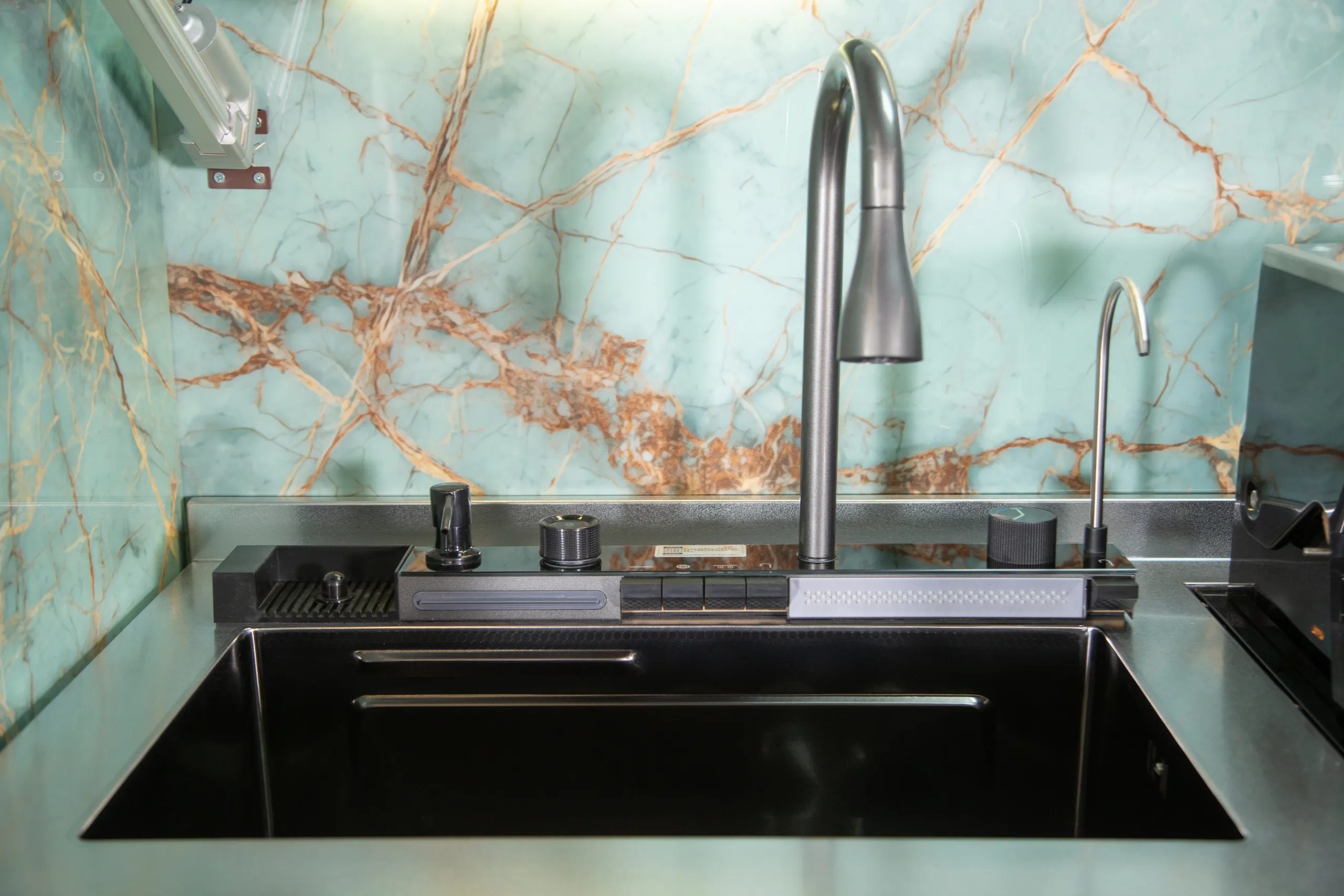
An outdoor kitchen does not always need a sink, but adding one can significantly improve prep and cleanup when the plumbing, drainage, climate, and maintenance requirements make sense for the site. A sink is most valuable when the kitchen is far from the house, used frequently, or designed for full meal preparation. If the grill is only a few steps from the indoor kitchen, a sink may be less important than counter space, storage, or refrigeration.
What an Outdoor Sink Actually Adds
The main benefit is convenience. A sink lets the cook rinse produce, wash hands, fill small containers, and clean utensils without repeatedly walking indoors. During a gathering, that can keep the cooking area organized and reduce traffic through the house. It also creates a clearer workflow when the sink sits between cold storage and the cooking zone.
However, a sink is not automatically a complete sanitation solution. How it may be used depends on the water supply, drainage method, local requirements, and the materials being handled. Potable hot and cold water, wastewater connections, and permitted plumbing are different from a simple cold-water rinse station. Decide what tasks the sink must support before selecting a basin or routing utilities.
When a Sink Is Usually Worth Considering
A sink tends to add the most value in a kitchen that functions as a genuine outdoor room. Consider one when several of these conditions apply:
- The outdoor kitchen is a long walk from the indoor kitchen.
- You prepare vegetables, seafood, beverages, or multi-course meals outside.
- You entertain often and want guests to remain outdoors.
- The layout includes refrigeration, storage, and generous prep surfaces.
- You want a dedicated hand-rinsing or utensil-cleaning point.
- A compliant water supply and drainage route can be installed without excessive complexity.
If the space is mainly a grill station for simple weeknight cooking, the cost and winter maintenance of a sink may outweigh the convenience. A portable water source or indoor sink may cover occasional needs, provided it is used appropriately and does not create unsafe wastewater disposal.
Sink or No Sink: A Practical Comparison
Outdoor kitchen with a sink
The cook gains a dedicated wet zone and can perform more tasks outside. The kitchen may feel more self-contained, especially when paired with prep space and storage. In return, the project needs careful utility planning, weather-resistant fixtures, service access, and a maintenance plan for freezing or extended shutdowns.
Outdoor kitchen without a sink
The layout is simpler and can devote more room to counters or cabinets. There are fewer plumbing components to protect and maintain. The tradeoff is more travel to the house and a greater need to organize clean water, dirty utensils, and food-prep tasks before cooking begins.
Neither choice is inherently better. The correct decision depends on how the household uses the space and whether the site can support a compliant installation.
Plan the Sink Around Workflow
A useful outdoor kitchen follows a simple sequence: storage or refrigeration, washing and preparation, cooking, then serving. The sink should help that sequence rather than divide it. Place enough counter space beside the basin for produce, utensils, and drying. Avoid locating it where an open faucet, cabinet door, or dishwasher blocks the cook’s route.
Separation from the grill is also important. A little landing space between the wet zone and the hot zone reduces crowding and gives the cook room to set down tools. The exact placement must respect the grill manufacturer’s clearances and any electrical or structural requirements. Browse Yuquanqiu’s outdoor kitchen designs while considering how the sink, grill, storage, and counters work as one system.
Choose the Basin for Real Tasks
A small bar sink can handle hand rinsing, drink preparation, and light cleanup while preserving counter space. A larger basin is more comfortable for sheet pans, grill tools, and produce, but it consumes more cabinet volume and needs a larger cutout. Depth matters as well: a shallow basin may splash, while an extremely deep basin can be uncomfortable for some users.
Before purchasing, list the largest items you realistically expect to wash. Compare that list with the basin’s interior dimensions, not just its overall rim size. Also check the faucet reach, handle movement, drain position, mounting method, and clearance below the counter. If accessories such as a cover, colander, or cutting board are important, verify that they are designed for the exact sink.
Water Supply Decisions
Cold water only
A cold-water connection can support basic rinsing and may simplify the project, but it may not meet every intended cleaning or sanitation need. Confirm the proposed use with qualified local professionals and applicable health or plumbing requirements.
Hot and cold water
Hot water makes cleanup more convenient, yet it adds equipment, energy, controls, and winterization considerations. The distance from the home’s water heater can affect design decisions. Some projects use a dedicated heater, but its suitability, location, power or fuel supply, weather exposure, and servicing requirements must be evaluated for the exact product and site.
Use potable-water-rated components where required. Backflow protection, shutoffs, insulation, pressure, and routing should be specified by a qualified plumber according to local rules. Do not connect a garden hose as a permanent substitute unless the complete arrangement is specifically allowed and appropriate for the intended use.
Drainage Is as Important as the Faucet
Every gallon entering the sink needs an approved destination. Connecting to the sanitary system may be the most straightforward long-term approach where feasible, but it can involve trenching, slope, venting, permits, and access. A dry well, landscape discharge, or temporary container is not universally acceptable, especially when wastewater contains food, grease, soap, or cleaning chemicals.
Never assume that water can simply drain onto the patio or into a storm drain. Local authorities and qualified plumbing professionals determine the permitted method. The drainage plan should also prevent odors, pests, standing water, and damage to foundations or landscaping.
Climate and Winterization
In freezing climates, outdoor plumbing must be designed so vulnerable lines and fixtures can be protected. A common planning goal is to provide accessible shutoffs and a way to drain water from exposed components, but the correct procedure depends on the system. Insulation alone may not prevent freeze damage.
Ask the installer to document the seasonal shutdown and startup procedure. Include the faucet, supply lines, valves, traps, filters, heaters, and connected appliances. In coastal or highly humid areas, material compatibility and routine cleaning may be equally important. Follow each manufacturer’s care guidance rather than assuming all stainless steel or finishes behave the same outdoors.
Electrical and Lighting Coordination
Sinks often sit near task lighting, refrigerators, ice makers, or small-appliance outlets. Water and electricity require deliberate coordination. Applicable GFCI protection, weather-rated components, outlet placement, bonding, and circuit design should be handled by a qualified electrician under local requirements. Do not allow a convenient sink position to create conflicts with electrical equipment or access panels.
Outdoor Sink Planning Checklist
- Define the exact tasks: hand rinsing, produce prep, drink service, or full cleanup.
- Compare the distance to the indoor sink and frequency of outdoor cooking.
- Choose cold-only or hot-and-cold service based on actual needs.
- Identify an approved water supply and wastewater route.
- Confirm basin size, depth, faucet reach, and below-counter clearance.
- Reserve landing and prep space beside the sink.
- Coordinate grill clearances, refrigeration, outlets, lighting, and traffic.
- Provide accessible shutoffs and service access.
- Create a climate-specific winterization or storm-preparation plan.
- Have qualified local professionals verify plumbing, electrical work, permits, and code compliance.
Common Mistakes to Avoid
One frequent mistake is choosing a decorative basin before deciding how it will be used. Another is routing water first and treating drainage as an afterthought. Homeowners may also underestimate the cabinet space occupied by the basin, trap, valves, heater, or filter. That can eliminate storage they expected to have.
Other problems include inaccessible shutoffs, no winterization plan, insufficient counter space, and placing the sink where splashing reaches electrical equipment or the cooking surface. Detailed appliance and fixture drawings should be reviewed before countertop fabrication and utility rough-in.
Frequently Asked Questions
Can an outdoor kitchen work without a sink?
Yes. A grill-focused kitchen close to the house can work well without one. Plan how clean water, food preparation, hand washing, and dirty utensils will be handled safely and conveniently.
Does an outdoor sink need hot water?
Not always. Cold water may be adequate for limited rinsing, while broader cleaning tasks may benefit from hot water. Intended use and local requirements should guide the decision.
Can an outdoor sink drain into the yard?
Do not assume it can. Wastewater rules vary, and water containing food, grease, soap, or chemicals may require an approved sanitary connection. Ask the local authority and a qualified plumber.
What size sink is best for an outdoor kitchen?
Choose based on the largest routine task and the available counter and cabinet space. A bar sink suits light use; a larger basin is more practical for cookware and grill tools.
How do I protect an outdoor sink in winter?
Use a system-specific shutdown procedure prepared by the installer. It may include shutting off and draining exposed components, but exact steps depend on the plumbing, fixtures, climate, and connected equipment.
When should the sink be selected?
Select the exact sink and faucet before countertop templating and utility rough-in so the team can use accurate cutout, clearance, mounting, and connection information.
The Bottom Line
Add an outdoor sink when it meaningfully supports the way you cook and when compliant water, drainage, electrical coordination, and seasonal care can be provided. Skip it when a nearby indoor sink is more practical and the outdoor space benefits more from prep area or storage. The best decision comes from workflow first, then verified technical planning.