Pro Program Live Chat +8619050185756

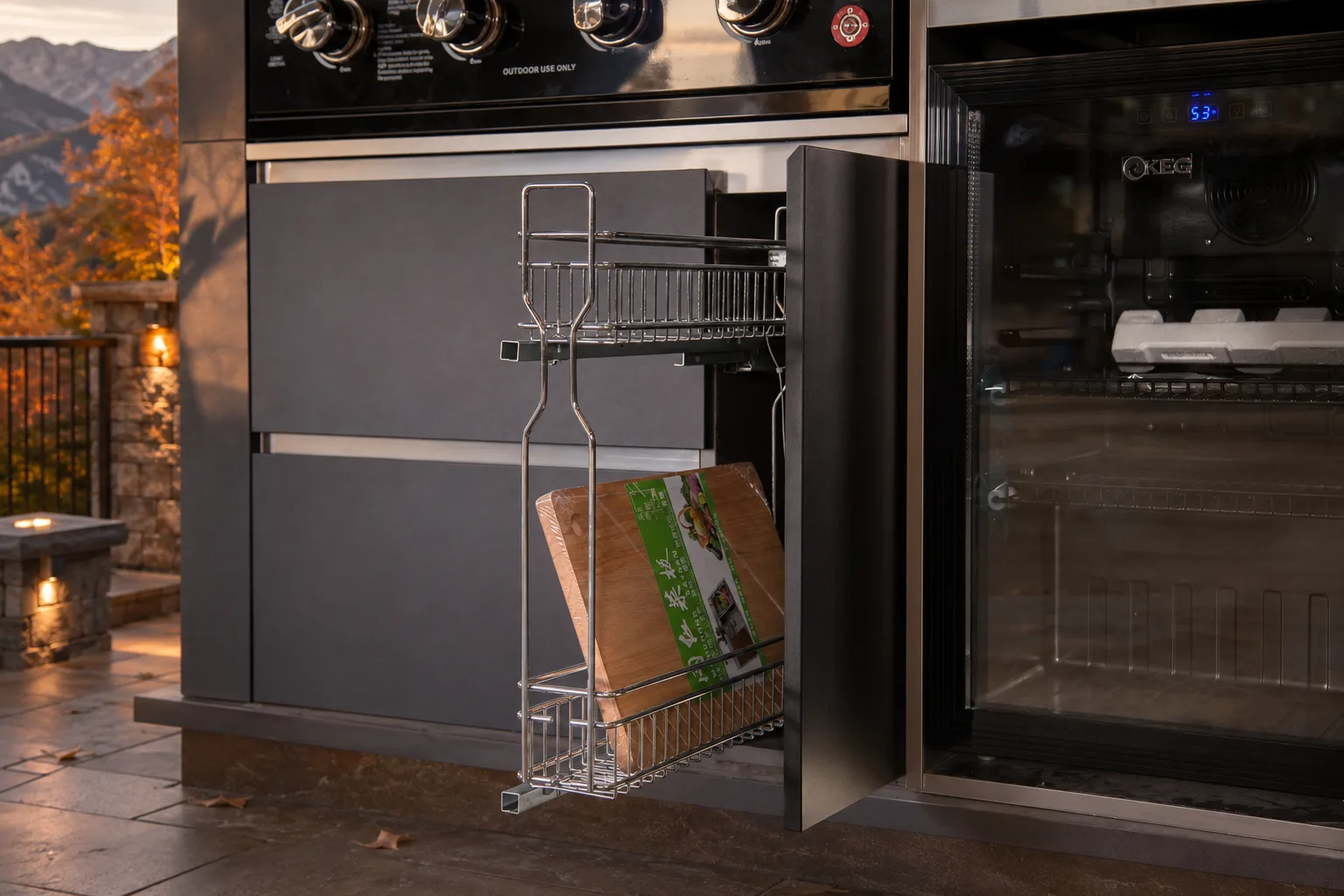
Do not automatically leave an outdoor kitchen refrigerator running all winter. First check the exact model’s documented operating temperature range, installation instructions, and seasonal shutdown procedure. In some climates and protected installations, continued operation may be appropriate; in colder regions, the manufacturer may require the unit to be emptied, cleaned, disconnected, drained if applicable, and left ventilated. The product manual and qualified local professionals should control the decision, not a generic rule.
Why the Answer Depends on the Exact Refrigerator
Outdoor-rated does not mean every refrigerator can operate in every temperature or exposure. Models differ in controls, insulation, ventilation, drainage, and intended climate conditions. An appliance designed for an outdoor cabinet still has documented limits and installation requirements. Those documents are the starting point for any winter plan.
Very cold ambient air can change how a refrigeration system cycles. Moisture can freeze in drains or water-connected components, and repeated freeze-thaw conditions may affect items left inside. At the same time, simply unplugging a dirty, closed refrigerator can create odors or moisture problems. A safe shutdown is a process, not just switching off power.
Do not infer suitability from the appearance of the cabinet or the word outdoor in a product description. Confirm the model number and obtain the current manufacturer instructions for that exact appliance.
Start With Four Questions
1. What temperatures does the manual permit?
Find the documented ambient operating range and any storage-temperature guidance. Compare it with realistic local winter conditions, including overnight lows and cold snaps. A covered patio may reduce direct rain or snow, but it is not a heated room and may follow outdoor air temperature closely.
2. Will the kitchen actually be used?
A homeowner who entertains outdoors throughout a mild winter has a different need from someone who closes the patio for four months. Running an empty refrigerator without a planned use may add maintenance without providing value. If it remains active, establish a routine for checking temperature, cleanliness, ventilation, and power.
3. Does the appliance contain water?
A basic refrigerator and a beverage center with a water line, ice maker, or drain do not have the same winterization needs. Water-connected equipment can require draining and other model-specific steps before freezing weather. Qualified local professionals should handle plumbing and winterization according to the exact product documents.
4. Is the installation protected and serviceable?
Check whether wind-driven rain, snow, leaves, or debris can reach the appliance. Confirm that required ventilation remains open and that the door, controls, and electrical disconnect are accessible. Protection must not block intake, exhaust, drainage, or service access.
When Continued Winter Operation May Make Sense
Continued use may be reasonable when the manufacturer permits operation at the expected temperatures, the refrigerator is installed correctly, the outdoor kitchen remains in regular use, and the owner can monitor it. Mild-winter regions are different from climates with prolonged freezing conditions.
Even then, do not treat the refrigerator as unattended storage. Check that the door seals properly, vents remain clear, and stored food stays within safe conditions. Power interruptions, extreme weather, and an accidentally open door can create problems. Follow normal food-safety judgment and the appliance instructions.
Never use an improvised heater, enclosure, or insulation around the appliance unless the manufacturer specifically approves it. Such additions can block ventilation, introduce electrical risk, or create conditions the unit was not designed to handle.
When Seasonal Shutdown Is the Better Plan
Shutdown is often the practical choice when the kitchen will not be used, the forecast falls outside the documented range, or water-connected features require winterization. It may also simplify cleaning and prevent forgotten contents from remaining inside during an extended absence.
A typical shutdown workflow begins by removing all food and drinks. Clean shelves, bins, interior surfaces, gaskets, and the exterior using methods approved by the manufacturer. Dry everything thoroughly. Follow the manual for power disconnection, drainage, defrosting, filter removal, water-line treatment, and door position.
Many refrigerators need the door secured slightly open during storage so air can circulate, but do not assume that instruction applies universally. Use the manufacturer’s specified method and ensure children, animals, wind, or movement cannot create a hazard. Never force the door or improvise a device that damages the gasket or hinge.
Do Not Forget Beverages and Containers
Remove cans, bottles, and sealed containers before freezing conditions unless the appliance and contents are being maintained within suitable conditions. Liquids expand when frozen and may damage containers or create a difficult cleanup. Condiments and food left for months can also expire, leak, or attract pests if the appliance loses power.
Use seasonal shutdown as an inventory reset. Discard expired items, bring reusable supplies indoors, and leave the refrigerator clean. Do not store paper goods, chemicals, fuel, or unrelated items inside merely because the appliance is empty.
Protect Ventilation and Drainage
An outdoor refrigerator needs the ventilation configuration specified for its model. Leaves, covers, ice, snow, decorative panels, and stored accessories must not block airflow. Check the toe-kick area and other vents without removing protected components or altering the installation.
Some owners want to wrap the appliance or cover the entire cabinet run. A cover may trap moisture or obstruct ventilation if it is not designed for the exact application. Use only manufacturer-approved protection and follow instructions for whether the refrigerator should be powered or shut down while covered.
Surface water should drain away from cabinet openings. Roof runoff and melting snow should not collect at the appliance base. A qualified professional should evaluate drainage and the installation if water enters the enclosure.
Coordinate Electrical and Plumbing Safety
Outdoor power must be installed for the location and appliance. Do not run temporary cords across wet patios or disconnect hardwired equipment without understanding the system. If the refrigerator is shut down, follow the documented isolation procedure. Qualified local professionals and authorities determine electrical methods, protective devices, permits, and code requirements.
Water lines, drains, ice makers, sinks, and nearby plumbing may require winterization. The correct method depends on the equipment, piping, local climate, and how the system was installed. Incomplete draining can leave water in valves or low points. Have the work completed according to model-specific documentation and local professional guidance.
Make Restarting in Spring a Deliberate Process
Before restoring operation, inspect the appliance and cabinet for moisture, pests, debris, damaged wiring, blocked ventilation, or signs of water entry. Clean the interior again if needed. Reinstall approved components, reconnect utilities using the documented steps, and allow the appliance to reach stable operation before loading food.
If the unit makes unusual sounds, displays an error, fails to cool, or shows damage, stop and contact appropriate service support. Do not bypass controls or attempt repairs that require a qualified technician.
Review Meta Lifestyle outdoor kitchen configurations when planning refrigeration, storage, and service access so seasonal maintenance is considered before cabinetry and utilities are finalized.
Winter Refrigerator Checklist
- Identify the exact model and current manual.
- Compare documented temperature limits with local winter conditions.
- Decide whether the outdoor kitchen will be used regularly.
- Remove food, drinks, and containers before extended shutdown.
- Clean and dry shelves, gaskets, bins, and interior surfaces.
- Follow documented power, drainage, and door-position steps.
- Winterize water-connected components with qualified help.
- Keep required ventilation and service access clear.
- Prevent roof runoff and surface water from collecting at the cabinet.
- Inspect the appliance carefully before spring restart.
Frequently Asked Questions
Can an outdoor refrigerator freeze inside during winter?
Conditions depend on the appliance, whether it is running, its controls, ambient temperature, exposure, and contents. Do not rely on refrigeration operation to protect items from freezing. Follow the exact model’s documented limits and remove vulnerable contents when appropriate.
Should I unplug the refrigerator for winter?
Only after checking the manufacturer’s shutdown instructions and addressing any water connections. If shutdown is appropriate, empty, clean, dry, and secure the unit exactly as directed. Do not simply unplug a full or damp refrigerator and close the door.
Should the door stay open during storage?
Many appliances use a ventilated door position during shutdown, but the method varies. Follow the manual for the exact model and ensure the door position does not create a safety issue or allow damage.
Can I cover an outdoor refrigerator?
Use only protection approved for the appliance and operating state. A poorly fitted cover can trap moisture or block ventilation. Confirm whether the unit must be off and how airflow, drainage, and access should be maintained.
What if my outdoor kitchen has an ice maker?
Water-connected equipment generally needs additional winterization. Follow its exact instructions and use qualified local plumbing or appliance professionals. Do not assume emptying the visible bin removes all water from lines and valves.
When should I restart it?
Restart when conditions fall within the documented range and the appliance has passed inspection. Restore utilities according to the instructions, confirm normal operation, and let it stabilize before storing food or drinks.
Let the Product Documentation Make the Decision
The right winter strategy is specific to the refrigerator and site. Climate, exposure, utilities, and seasonal habits all matter. Homeowners should choose between continued operation and shutdown only after reviewing the exact manual and local conditions. A careful fall shutdown and spring restart can be far more reliable than guessing based on the weather or assuming every outdoor-rated appliance behaves the same way.