Pro Program Live Chat +86 182 6417 0234

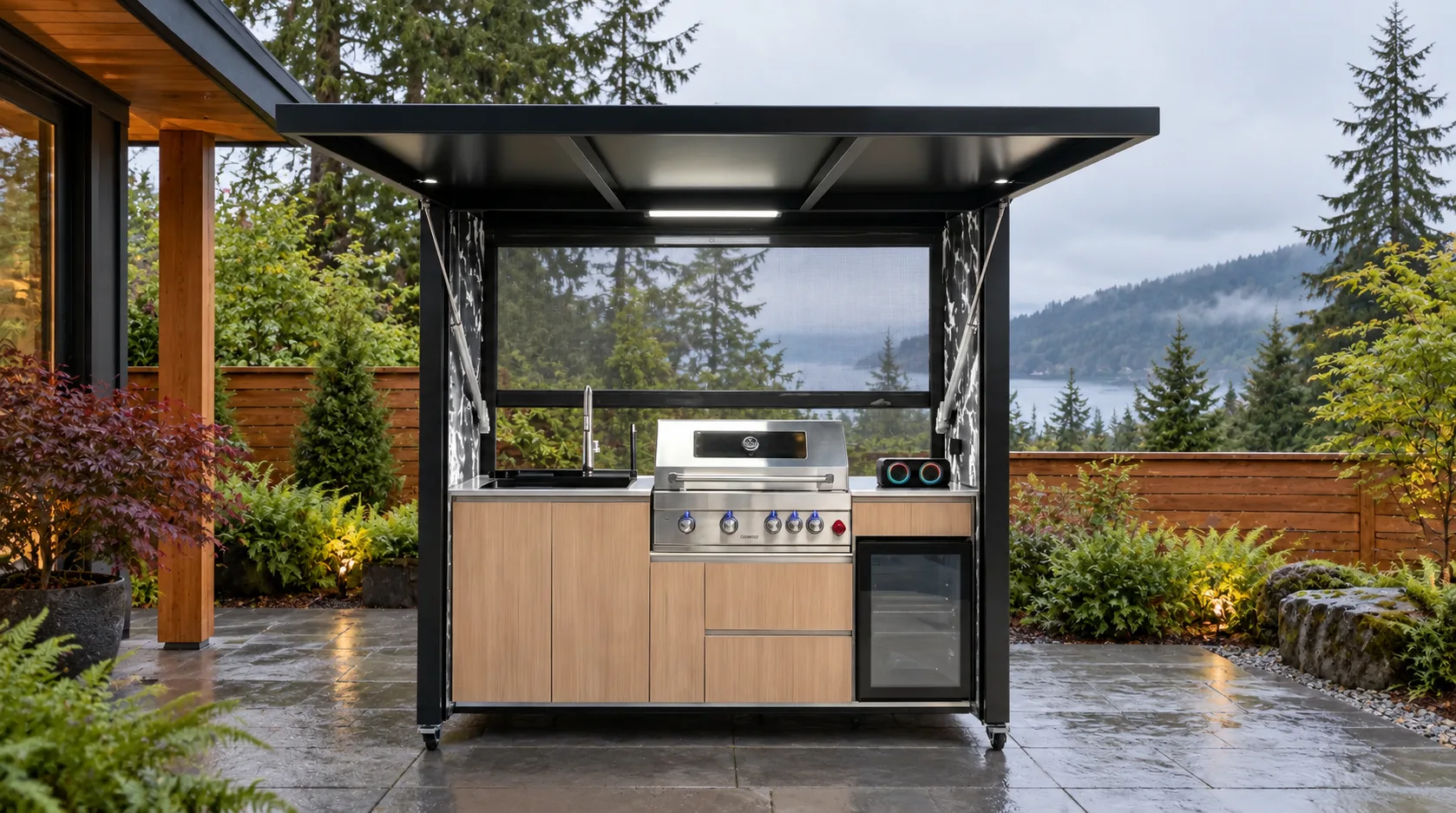
If an outdoor-kitchen GFCI trips more than once, stop using the affected equipment and do not keep resetting it to get through dinner. A GFCI interrupts power when it detects a ground fault; that interruption is a safety warning, not a nuisance to defeat. Note what was running and whether rain, washing, or a particular appliance preceded the trip, then contact a qualified electrician and the appliance manufacturer for diagnosis.
Start with what the trip is telling you
Outdoor cooking combines electricity with moisture, heat, metal appliances, and cleaning. A protective device may trip because of a ground fault, moisture, damaged wiring, an appliance fault, or another condition. A conventional overcurrent breaker may trip for different reasons, including an overloaded circuit. Homeowners generally cannot identify the cause from the handle position alone, so record the device that moved and leave diagnosis to a qualified professional.
GFCIs are designed to reduce the risk of severe electric shock by interrupting current when they detect a ground fault. The Electrical Safety Foundation International notes that water can contribute to a ground fault and recommends qualified electricians for electrical work. See its current GFCI guidance. CPSC also warns that moisture can enter outdoor receptacles and cause malfunction, and discusses weatherproof covers and outdoor GFCI protection in its home electrical safety checklist. These general sources are not a substitute for your appliance manual or local code.
What to do before calling for help
- Stop the cooking session. Turn off appliance controls if you can do so normally and safely. Do not reach behind a hot grill or wet cabinet to operate a hidden switch.
- Keep hands away from wet electrical parts. Do not touch a plug, cord, receptacle, or appliance if it is wet or you are standing on a wet surface. If there is standing water, visible damage, a burning smell, smoke, or an unusually hot outlet, keep clear and call for qualified help.
- Do not repeatedly reset the device. Repeated trips mean the protective device is still detecting a problem. Do not bypass it, replace it with a non-GFCI outlet, or use a long extension cord as a workaround.
- Make a short event log. Record the time, weather, what was plugged in or operating, whether the trip happened at startup or after running for a while, and which breaker or receptacle appears to have opened. This information can help the electrician understand the conditions without guesswork.
- Look only from a safe distance. Note obvious exterior damage, a cracked cover, signs of water around an outlet, or a damaged cord. Do not remove covers, open appliance panels, or probe wiring.
- Call the right people. A qualified local electrician can assess the circuit and protective device. The appliance manufacturer or authorized service provider can address a suspected equipment fault. Share the model and serial information if available.
Patterns to report, not diagnose yourself
The timing can help a professional investigate, but it does not prove a cause. If a trip follows rain or a hose-down, mention the weather and where water was present. Outdoor receptacle covers and appliances have specific environmental ratings and use instructions; a cover that looks closed is not proof that an installation is suitable for every wet condition.
If the trip occurs only when the refrigerator starts, or only when a powered cover, light, or other component operates, write that down. Do not assume the appliance is defective or that the branch circuit is undersized. An electrician may need to check the wiring, protective device, circuit loading, receptacle condition, and grounding; an appliance technician may need to inspect the component itself. Keep each possibility open until the equipment is tested.
If protection trips when several items operate together, tell the electrician which combination was active. Avoid trying different combinations repeatedly. The circuit arrangement and appliance requirements must be checked against the equipment labels, manufacturer instructions, and rules adopted where you live.
What the electrician and service team may need
Gather the outdoor-kitchen model, appliance model numbers, manuals, photos of the outlet and visible cord routing, and your event log. Tell the electrician whether the trip is at a receptacle or at the panel and whether any other devices lost power. If the setup is new or recently changed, share the work scope and inspection information.
Ask the electrician to explain what was tested, what condition caused the trip, whether the protective device and outdoor installation are appropriate for the location, and what repair or inspection is needed before using the kitchen again. Ask the appliance service provider to confirm whether the component’s installation and environment match its instructions. Do not accept a suggestion to defeat protective equipment or conceal a recurring trip without understanding the verified cause.
For a kitchen you are planning, verify the current model-specific electrical documentation before the patio is finalized. META LIFESTYLE offers integrated outdoor kitchens with different components and powered features across configurations, so do not infer electrical requirements from a photograph or from another model. Review the META LIFESTYLE outdoor kitchen collection and request documentation for the exact configuration under consideration. A qualified local electrician and the authority having jurisdiction determine circuit, protection, wiring, and permit requirements for the property.
Questions to answer before the next cookout
- Which exact appliance or combination was operating when power stopped?
- Was there recent rain, irrigation, cleaning, a spill, or standing water near the electrical connection?
- Did the receptacle GFCI trip, or did a breaker at the panel move? If unsure, say so rather than opening electrical equipment.
- Did anyone recently add an appliance, change a cord, move the kitchen, or have electrical work done?
- Have you noted the event time, weather, visible warning signs, and appliance details?
These observations help a professional investigate efficiently; they are not a do-it-yourself troubleshooting sequence. If an outlet or cord is hot, scorched, cracked, wet, or smells burnt, do not use it while waiting for service.
Frequently Asked Questions
Can I reset the outdoor GFCI once and keep grilling?
If a single trip has occurred, follow the device and appliance instructions and only approach the equipment when the area and your hands are dry and safe. If it trips again, stop using the affected equipment. Never treat a repeated trip as permission to keep resetting it.
Does rain automatically mean the outdoor kitchen is unsafe?
Not necessarily; the product, receptacle, covers, installation, and conditions matter. Use equipment only as its manufacturer directs, and have a qualified electrician assess questionable or water-exposed connections. Local electrical requirements control the installation.
Is a GFCI trip the same as an overloaded circuit?
No. GFCI protection responds to a ground-fault condition; an overcurrent breaker responds to current conditions such as overloads or short circuits. Some devices combine functions, so have a qualified electrician identify what operated and why.
Should I unplug kitchen appliances to find the bad one?
Do not handle plugs or cords that are wet, damaged, hot, or in an unsafe location. Do not conduct trial-and-error reconnection after repeated trips. Ask the electrician and appliance service provider what isolation steps are safe for your specific installation.
Can I replace a GFCI that keeps tripping?
A tripping device may be responding correctly to a fault. Do not replace or bypass it as a first step. ESFI advises that electrical work be performed by a qualified electrician; let that professional determine whether the device, circuit, wiring, or appliance needs attention.
Request a Quote
If you are comparing an integrated outdoor kitchen, ask for the electrical documents for the exact model before planning the circuit. Explore META LIFESTYLE outdoor kitchens and use the META LIFESTYLE contact page to request a quote. Both numbers below are official META LIFESTYLE WhatsApp contacts: +8619050185756 and +1 (626) 735-5685. For an existing trip or suspected electrical issue, contact a qualified local electrician and appliance service provider; gas, electricity, plumbing, drainage, clearances, and permits must follow model-specific documentation and qualified local professionals or authorities.