Pro Program Live Chat +8619050185756

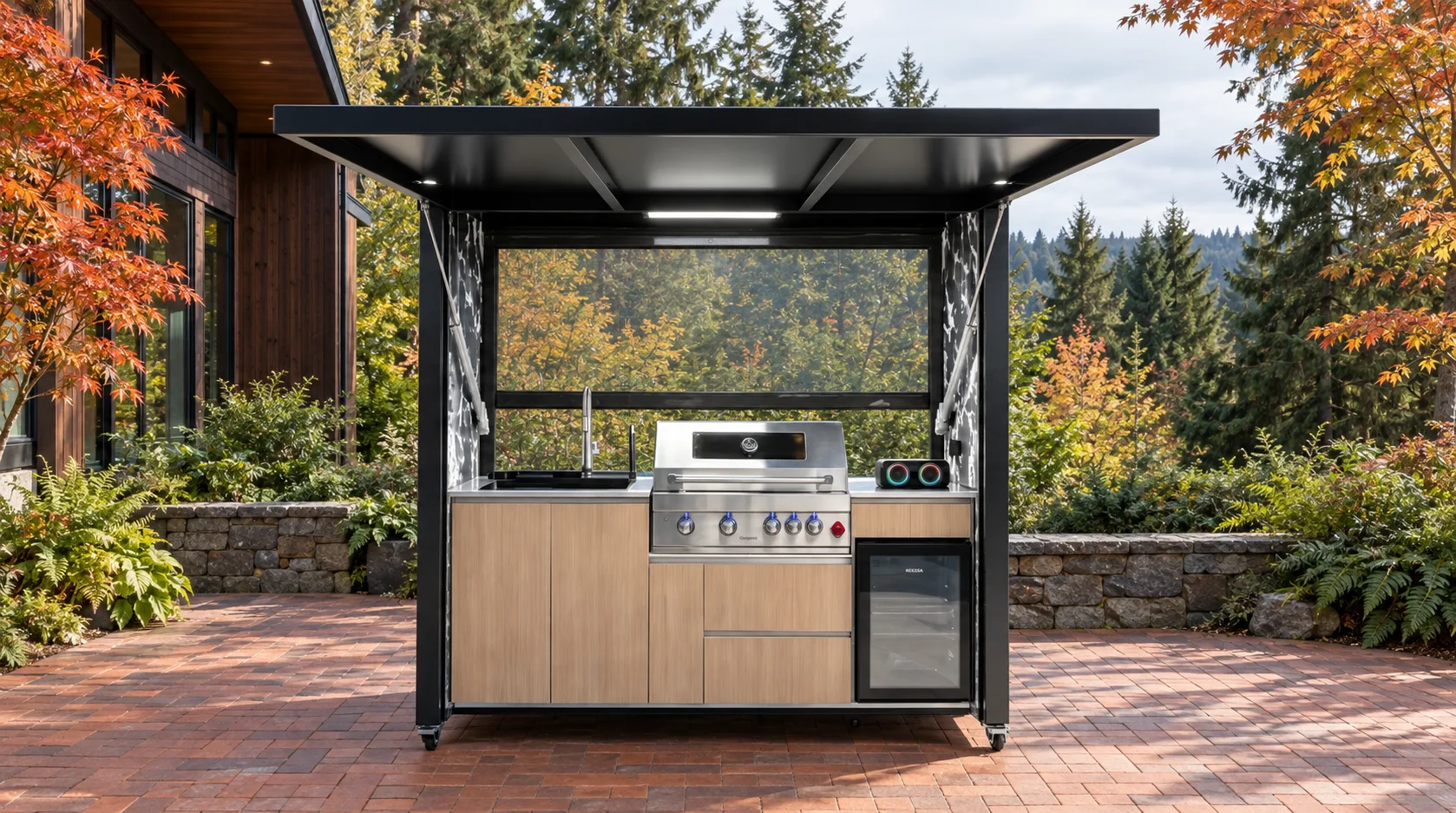
An outdoor kitchen can be a good fit for a vacation rental when guests can use it confidently, a cleaner can reset it reliably, and the property can support its utilities and placement. If those conditions are uncertain, start with a simpler outdoor dining setup rather than assuming a larger cooking station will automatically improve the stay. The best decision is based on guest behavior and operating effort, not on a photo alone.
Begin with the kind of stay you actually sell
A family renting a lake house for a week may cook several meals outside. A couple booking a two-night city stay may use the patio for coffee and takeout, not grilling. Before comparing products, look at your typical party size, length of stay, season, and the kitchen already inside the home. Ask what outdoor cooking would solve for those guests. Is the indoor kitchen cramped during group meals? Is the dining area outside but the cook isolated indoors? Is the grill currently placed far from the table?
Define one primary use in a sentence, such as “a straightforward place for a family to grill dinner while others gather nearby.” That is a better brief than “a luxury outdoor kitchen.” It tells you which work surfaces, circulation routes, and guest instructions deserve attention. It also helps prevent a feature-rich installation that adds cleaning and support work without adding much practical value.
Compare the guest benefit with the management burden
For an owner, an outdoor kitchen is both an amenity and an operating system. The appearance matters, but so do turnover, damage checks, consumables, and questions from first-time users. Consider the tradeoffs before selecting a model.
- Cooking convenience: Guests may value an obvious grill-and-prep zone close to outdoor seating. The owner must decide who checks that the cooking area is clean and ready between stays.
- Visual appeal: An open, complete kitchen can anchor a patio photograph. The real installation still needs a usable path around it and an honest listing description.
- More equipment: A sink or refrigerator may add convenience where a particular model includes them, but each utility or appliance creates another item to inspect, maintain, and explain.
- More freedom: Outdoor cooking can move some meal activity outside. It also calls for clear house rules about operation, cleanup, and what to do if something does not work.
None of these points establishes that an amenity will raise occupancy or nightly rates. Local competition, guest demand, and the total cost of ownership determine the business case. Estimate your own installation, utility, maintenance, cleaning, and eventual replacement costs without relying on generic price claims. Then decide whether the amenity supports the type of experience you promise.
Make the cooking sequence easy for a first-time guest
Watch someone who has never visited the property walk from the indoor kitchen to the outdoor dining table. They will carry ingredients, utensils, and perhaps a tray. The route should be understandable, well lit for the intended hours, and free from awkward crossings through a lounge or pool edge. At the cooking station, the guest should be able to identify where to set food down before and after grilling. The cook should not have to block the only route to the table.
Sketch a simple sequence: bring food out, set it on a clear prep surface, cook, plate, serve, and return used dishes. Mark where another guest could pass safely during each step. If the path fails on paper, a product upgrade will not repair the layout. A compact outdoor kitchen in the right position may be more useful than a larger arrangement squeezed into a photo-friendly corner.
Separate the listing image from the operating layout
Marketing images tend to reward a straight-on view, but guests interact with the sides, doors, drawers, and open panels. Leave room for the real operating state of the selected product, not merely its closed footprint. Verify model-specific dimensions and opening clearances in the actual documentation. Do not place dining chairs, planters, or storage bins where they will obstruct access. Photograph the finished area in its normal usable state so expectations match the property.
Design a reset routine before the installation
Imagine the period between checkout and the next arrival. Who removes food residue? Who checks the grill surface, countertop, cabinet interiors, and refrigerator if the chosen model has one? Who verifies that any doors, shutters, or panels close as intended? A cleaning team needs a realistic checklist and access to appropriate cleaning supplies. An owner also needs a separate inspection route for faults that a routine wipe-down might miss.
Write instructions for the cleaner and for the guest separately. The cleaner’s list can cover visible condition, leftover items, and reporting. The guest guide should identify the exact equipment installed, where to find its manufacturer instructions, and which actions are prohibited. Avoid copying generic operating steps from another appliance. A short guide that matches the installed model is more useful than a long page of assumptions.
Consider what happens during the off-season and when the property is vacant. The selected model’s documentation, local climate, and site-specific utility design should determine any shutdown or protection procedure. Do not promise year-round use simply because the kitchen looks weather-ready. Assign responsibility for checking the area after severe weather or an extended vacancy.
Check whether the property can support the plan
Before requesting a final configuration, gather a dimensioned patio sketch, photographs from several angles, and a note about the existing surface. Identify the nearest practical routes for any utilities required by the exact model. Note the distance to doors, windows, vegetation, roof overhangs, and guest circulation. These are questions for the design team, not permission to apply an internet clearance rule to every product.
Gas, electricity, plumbing, fire clearances, drainage, structural support, anchoring, wind and snow exposure, and permits must be resolved using the selected model’s documentation and qualified local professionals or authorities. A rental owner should also review insurance and property-management requirements for guest-operated cooking equipment. The point is to find constraints early, before purchasing a layout that the site cannot responsibly support.
A practical owner checklist for comparing options
- Guest purpose: Write the meal or gathering scenario the kitchen should serve, and identify who will realistically use it.
- Site plan: Measure the available footprint and trace the path from indoor food storage to cooking and dining.
- Product review: Compare complete, open-state product views and model documentation rather than judging an isolated component photo.
- Utility review: Ask local qualified professionals what the specific installation would require; keep allowances separate from product assumptions.
- Turnover plan: Decide how cleaning, inspection, missing items, and guest questions will be handled.
- Listing accuracy: Describe only installed, working features and show how the kitchen is actually presented to guests.
- Ownership cost: Include installation, operation, routine upkeep, and replacement planning in the decision.
Use the same checklist for every option you compare. If one proposal includes site work and another covers only the kitchen product, they are not equivalent offers. Ask each party to separate what is included, excluded, and dependent on a site visit or local approval. This keeps the purchase decision tied to a functioning guest amenity rather than an attractive but incomplete package.
When a simpler outdoor setup is the better choice
Sometimes the right answer is not an outdoor kitchen. If most guests stay briefly, cooking demand is low, the patio is difficult to supervise or clean, or utility work is disproportionate to the expected benefit, invest first in comfortable dining and a clear route from the indoor kitchen. You can revisit a kitchen later if guest feedback and property operations support it. A phased decision is not a compromise when it protects usability and maintenance standards.
If outdoor cooking is central to the rental’s appeal, compare authentic complete-product views. The META LIFESTYLE outdoor kitchen collection is a starting point for discussing the exact configuration shown, its opening state, and the documentation needed for your site. Confirm the current product details with the supplier rather than treating an article photograph as a specification sheet.
Frequently Asked Questions
Should guests have access to every outdoor kitchen feature?
Only if the installed equipment is intended for guest use and you can provide correct instructions and a practical reset process. Decide this feature by feature. Do not advertise an appliance merely because it appears in a product image.
What should the welcome guide say about the kitchen?
Name the installed model and its available functions, point to its actual operating instructions, state the property’s cleanup expectations, and explain how guests report a problem. Keep those directions consistent with the equipment and property rules.
Is a larger outdoor kitchen always better for a large rental?
No. Guest count alone does not determine layout. The cooking sequence, prep surface, safe circulation, dining location, and turnover capacity matter more than the visual size of the station.
Can an outdoor kitchen stay available all year?
That depends on the model, climate, utilities, and site. Use model-specific care and shutdown guidance and have qualified local professionals assess the installation. Your listing should reflect the actual seasonal availability.
What information should I send with a quote request?
Send the property location, patio dimensions, site photos, intended guest use, desired functions, likely seasonal use, and any known utility constraints. Ask which details require field verification and which product documentation applies to the proposed configuration.
Request a Quote for the right guest experience
If an outdoor kitchen fits your rental’s use and operating plan, Request a Quote from META LIFESTYLE with your sketch and guest-use brief. Both +8619050185756 and +1 (626) 735-5685 are official META LIFESTYLE WhatsApp contacts. Ask for the exact product configuration and documentation so your local professionals can evaluate the site before you promise the amenity to guests.