Pro Program Live Chat +8619050185756

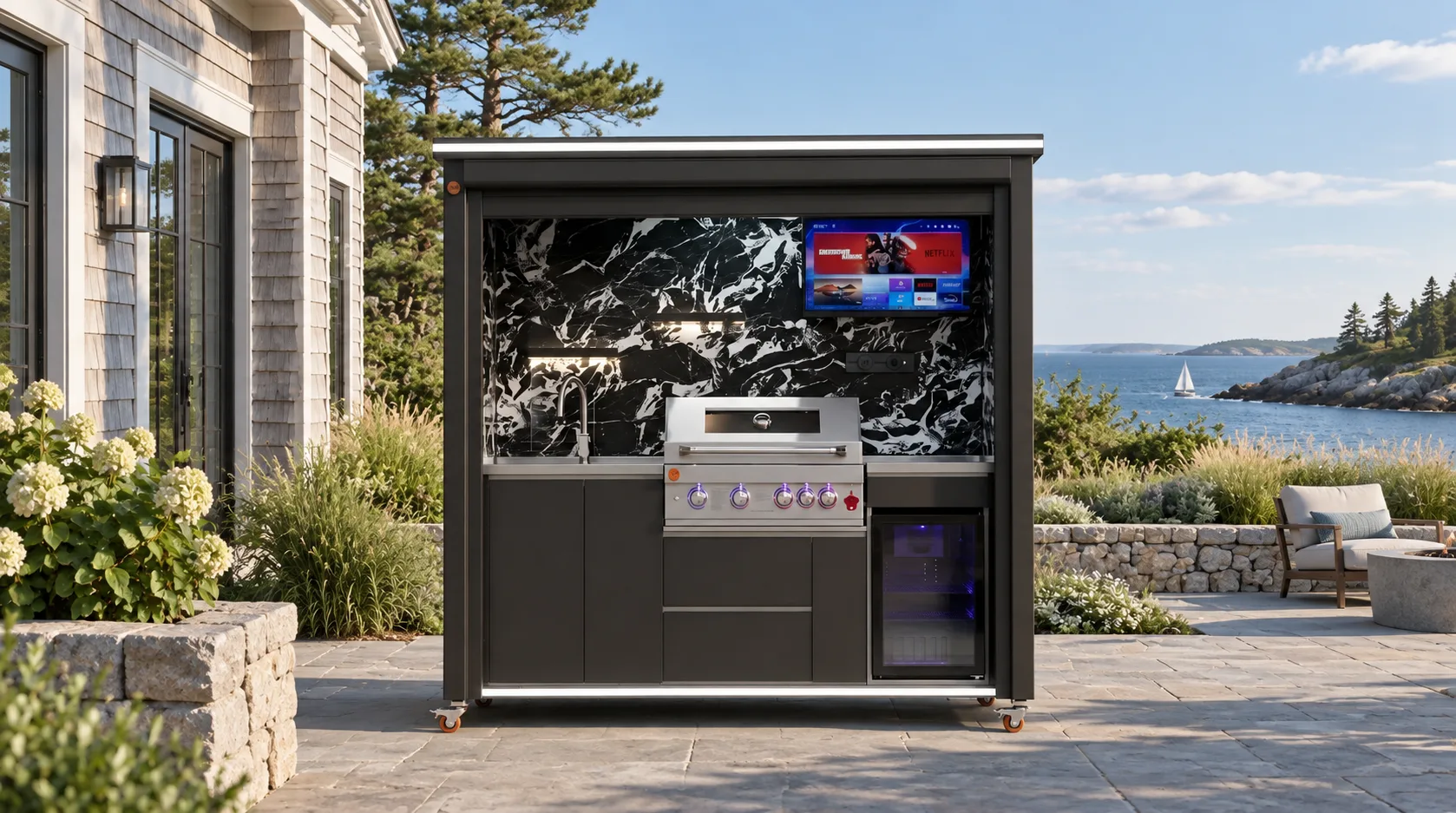
An outdoor kitchen can work well at a vacation home when it is designed for simple shutdown, controlled utilities, secure storage, easy cleaning, remote oversight, and reliable reopening after weeks away. Choose the exact META LIFESTYLE configuration around how often the property is occupied, who maintains it, local weather, and the qualifications of the people who will service gas, electricity, plumbing, appliances, shutters, and drainage.
A second-home kitchen should not depend on the owner being present every weekend. The best plan reduces loose accessories, makes shutoffs obvious, documents every system, and gives a local caretaker a clear checklist. Never assume a shutter, roof, cabinet, appliance, or smart device provides protection beyond its verified documentation.
Design for Absence, Not Only for Entertaining
Many buyers plan the cooking experience but overlook what happens during a month of vacancy. Salt air, pollen, insects, dust, wind-driven rain, freezing temperatures, heat, utility interruptions, and landscape irrigation continue while the house is empty.
List the longest likely absence in every season. Identify which components remain energized, which water lines require winterization, how food and grease are removed, and who can inspect the property after severe weather.
Choose a Configuration That Is Easy to Close
A compact integrated layout can reduce the number of separate covers, carts, and accessories that must be secured. A rolling shutter or enclosure may simplify normal closure when used exactly as instructed, but appliances must be off and cooled and the travel path must be clear.
Ask for the shutdown sequence for the exact kitchen. Confirm how cabinet doors, drawers, refrigerator, grill, sink, television, lighting, and shutter should be left during vacancy. Do not copy a procedure from another model.
Vacation-Home Shutdown Checklist
- Turn off cooking equipment and let it cool as directed.
- Clean grates, grease trays, counters, sink, and approved surfaces.
- Remove food, beverages, trash, oils, utensils, and loose décor.
- Follow appliance instructions for refrigeration during absence.
- Shut off or leave utilities operating only as documented.
- Winterize plumbing when required by climate and local professionals.
- Confirm drains and roof-water outlets are clear.
- Close shutters or panels using the approved procedure.
- Secure or store nearby furniture and windborne objects.
- Photograph the final condition and record the inspection date.
Plan Gas and Electrical Shutoffs
Qualified local professionals should design accessible, labeled shutoffs and disconnects for the exact appliances and site. A caretaker should never have to reach behind a hot grill, move a heavy unit, or guess which valve or breaker controls the kitchen.
Do not disconnect, cap, reconnect, or test gas systems without the required qualifications. Outdoor circuits, grounding, protection, disconnects, surge considerations, and restoration after an outage must be designed by a qualified electrician.
Decide What Happens to Refrigeration
The correct refrigerator procedure depends on its manual, climate, power reliability, and length of vacancy. Leaving food or beverages can create odor, leakage, freeze, spoilage, or pest problems if power fails. Turning a refrigerator off may require cleaning, drying, and door positioning specified by its manufacturer.
Never leave the door in an improvised position that interferes with a shutter or creates damage. Add the exact appliance procedure to the caretaker checklist.
Manage Water and Freezing Risk
An outdoor sink adds convenience but also creates supply, drain, trap, leak, and freeze considerations. A qualified plumber should determine shutoff, drainage, winterization, backflow protection, and reopening steps for the location.
Do not pour fats, oils, grease, or food solids into the sink. Do not assume an outdoor drain can discharge to soil, landscaping, or stormwater. Local plumbing and environmental requirements control.
Keep Grease and Food From Attracting Pests
Clean the grill, grease tray, counters, waste area, sink, and floor before leaving. Remove food from cabinets and appliances unless the storage method is explicitly appropriate for the duration and environment. Even sealed packaging can attract insects or animals.
Use only cleaning products approved for each surface. Avoid spraying motors, electrical components, burners, cabinet openings, or seals. Arrange professional pest management if needed rather than placing unapproved chemicals inside the kitchen.
Prepare for Coastal and Harsh Environments
Coastal properties may experience salt deposition, wind, humidity, and blowing sand. Mountain and northern properties may face freeze-thaw cycles and snow. Desert homes can experience extreme heat, dust, and intense ultraviolet exposure.
Ask for material and finish care documentation for the exact configuration and location. Do not invent corrosion performance, wind ratings, snow ratings, or maintenance intervals. Verified model documentation and qualified local professionals must control structural, anchoring, weather, and service decisions.
Use Remote Monitoring Carefully
Cameras, leak sensors, power monitors, temperature alerts, or smart controls may help a property manager notice problems, but they do not replace inspection or create features that the kitchen does not have. Verify compatibility, outdoor suitability, privacy, network reliability, and alert ownership.
Do not remotely operate grills, shutters, screens, or other moving or heat-producing equipment unless the exact system explicitly supports that use and the area can be confirmed safe. An alert should lead to a defined local response.
Create a Local Caretaking Plan
Choose a responsible person who can inspect after storms, utility outages, freezes, or extended vacancy. Provide manuals, photos, shutoff locations, safe boundaries, and the contact details of qualified service providers.
The caretaker should know when not to act. Gas odors, exposed wiring, damaged structures, flooded electrical equipment, jammed shutters, or shifted appliances require qualified professionals and may require emergency services.
Protect the Kitchen Without Trapping Moisture
Generic tarps can flap, abrade finishes, collect water, block ventilation, or create unsafe loads. Use only covers or closure methods approved for the exact product. Follow instructions for drying, ventilation, and cooling before enclosure.
Keep irrigation spray, roof runoff, and drainage away from the kitchen. Maintain airflow and inspect for trapped leaves or debris without modifying seals, vents, tracks, or cabinet openings.
Make the Reopening Procedure as Clear as Shutdown
On arrival, inspect the exterior, wheels or supports, shutter, interior, appliances, electrical components, plumbing, gas system, drains, and surrounding paving before use. Look for water entry, pests, corrosion, damaged cords, loose components, unusual odors, or movement.
Reconnect and test utilities only under the approved procedure. Gas, electrical, plumbing, structural, or motor concerns should be handled by qualified professionals. Do not light the grill simply because the cabinet appears clean.
Compare Owner-Only and Managed Properties
Owner-only use
The system can be tailored to one household, but the owners must maintain records and plan for unexpected inspections while away. Simplicity and reliable local service are especially important.
Professionally managed property
A manager can execute repeatable checks, but instructions must be unambiguous and fit staff training. Clearly separate routine cleaning from work that requires licensed or manufacturer-qualified service.
Keep a Property File
Store model numbers, manuals, finish codes, approved cleaners, photos, utility diagrams, warranty information, installer records, service contacts, and seasonal checklists together. Keep a digital copy accessible away from the property.
Update the file after repairs, appliance changes, landscaping work, or patio modifications. Record who performed gas, electrical, plumbing, structural, and shutter service.
Questions to Answer Before Ordering
- How long will the home be vacant in each season?
- Who completes shutdown and reopening?
- Which utilities remain active?
- Does plumbing require winterization?
- What weather and exposure affect the site?
- Where will loose accessories and food be stored?
- Which qualified local providers can respond?
Explore the META LIFESTYLE outdoor kitchen collection and request model-specific operating and care documentation before finalizing a second-home plan.
Frequently Asked Questions
Should an outdoor refrigerator stay on while the vacation home is empty?
Follow the exact appliance manual and property plan. Consider outage risk, climate, contents, cleaning, drying, and door-position instructions.
Can I close the shutter immediately after cooking?
No unless the documented procedure allows it. Equipment must be shut down and cooled, and the shutter path must be clear.
Should the gas be turned off between visits?
The correct procedure depends on the system and local requirements. Use model instructions and qualified gas professionals; do not improvise disconnection or reconnection.
Can a camera replace caretaker visits?
No. Remote monitoring can provide alerts but cannot inspect hidden damage, safely respond to hazards, or replace required service.
How should a coastal outdoor kitchen be maintained?
Use the exact material and finish care documentation and a site-specific schedule. Do not assume generic cleaners or unverified corrosion claims apply.
Request a META LIFESTYLE Quote
Share the property location, vacancy schedule, climate, utilities, and management plan through the META LIFESTYLE contact page. Both numbers are official META LIFESTYLE WhatsApp contacts: +8619050185756 and +1 (626) 735-5685.