Pro Program Live Chat +8619050185756

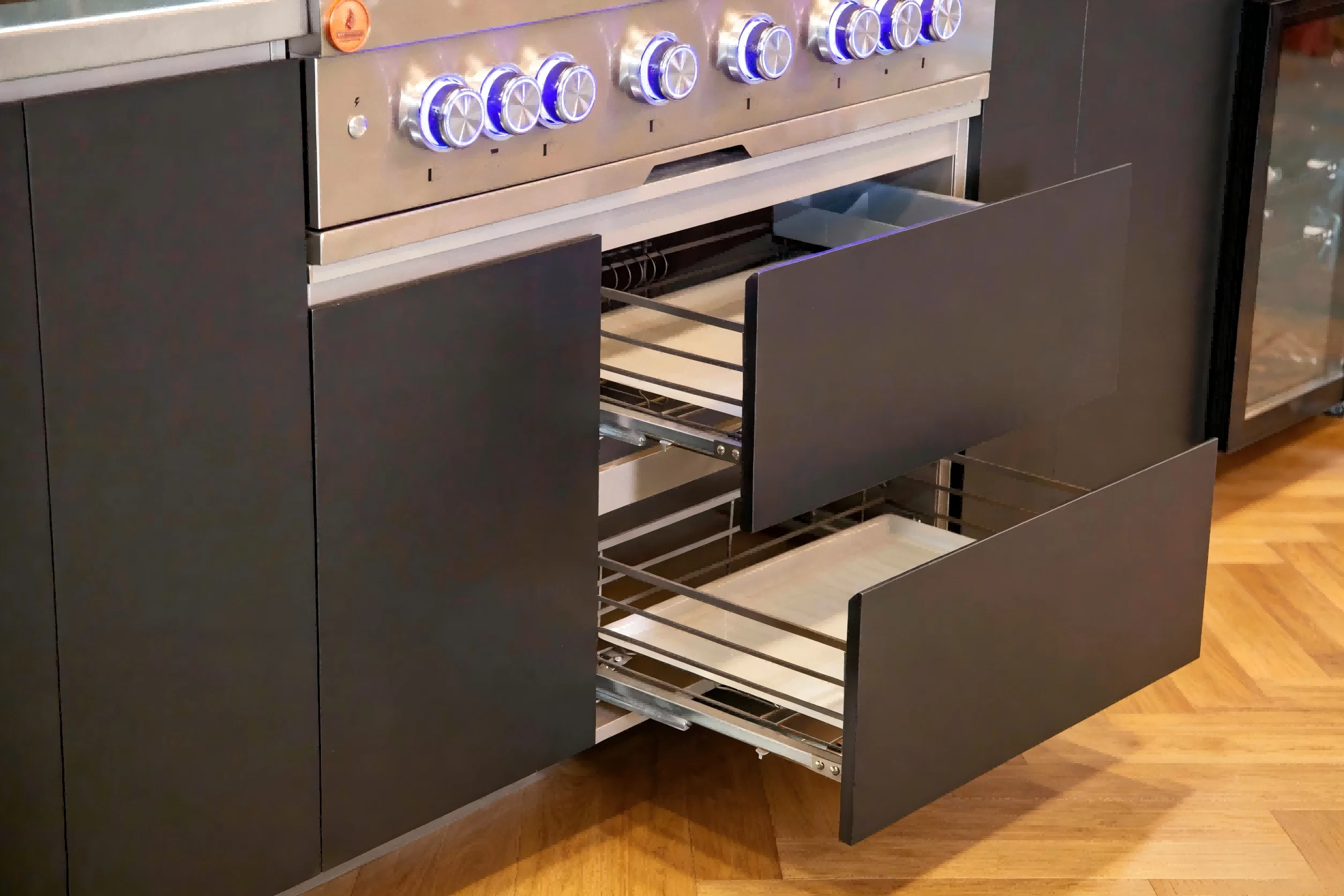
You can store selected nonperishable items in outdoor kitchen cabinets, but most food should not live outside year-round. Heat, humidity, condensation, insects, rodents, dust, and temperature swings can damage packaging and shorten food quality. Use outdoor storage primarily for cookware, sealed serving pieces, grill tools, and frequently used supplies. Bring perishable food indoors promptly, and keep dry ingredients outside only when the cabinet, container, climate, and manufacturer’s storage directions make that appropriate.
Outdoor Cabinets Are Not the Same as an Indoor Pantry
An indoor pantry usually sits in a conditioned, relatively stable environment. Outdoor cabinets may be shaded and weather protected, yet still experience hot afternoons, cold nights, wind-driven moisture, pollen, insects, and seasonal humidity. A cabinet door can keep out direct rain without creating a food-storage environment.
Before assigning a cabinet, observe it through changing weather. Look for condensation, water entry, drainage, pest gaps, and heat from nearby appliances. Read storage instructions on every food package. When a label calls for a cool, dry place, an outdoor cabinet in a humid or hot climate may not qualify.
What Usually Stores Well Outdoors
Durable, washable items are the best candidates. Stainless steel grill tools, skewers, metal trays, heat-resistant gloves, cutting boards approved for the use, and unbreakable serving pieces can reduce trips to the house. Keep them clean, completely dry, and protected from pests and contamination.
Paper goods and linens are less reliable outdoors because they absorb moisture and odors. If you store napkins, towels, or paper plates, use a sealed bin and inspect them before use. Bring valuable knives, electrical accessories, batteries, and items susceptible to corrosion indoors unless their manufacturers approve the storage conditions.
What Food Can Stay in an Outdoor Cabinet?
Unopened, shelf-stable products may be reasonable for short periods when their labels permit the temperature and humidity conditions. Examples can include sealed bottled water, unopened canned goods, or individually packaged items intended for ambient storage. “Shelf stable” does not mean “safe in every outdoor temperature.” Excessive heat, freezing, damaged seals, rust, swelling, leakage, or pests are reasons to discard or relocate an item.
Dry foods such as spices, salt, sugar, flour, coffee, crackers, and snacks readily absorb moisture or attract insects after opening. Even when transferred to tight containers, they may lose quality in outdoor heat. For many households, the simplest system is to bring out a small cooking kit for each gathering and return it indoors afterward.
What Should Not Be Stored in a Regular Cabinet?
Meat, poultry, seafood, eggs, dairy products, cooked leftovers, cut produce, and other perishable foods require controlled refrigeration rather than a cabinet. The USDA food-safety guidance says to refrigerate perishable food within two hours, or within one hour when the temperature is above 90°F. A shaded countertop or closed cabinet is not refrigeration.
Do not use appearance, smell, or taste as the test for safety. Keep cold food at safe refrigeration temperatures using an appropriate refrigerator or properly packed cooler, and follow current USDA or FDA guidance for the specific food. When in doubt about time or temperature control, discard the food rather than taking a risk.
Quick Storage Guide
| Item | Outdoor cabinet? | Best practice |
|---|---|---|
| Grill tools and metal trays | Usually suitable | Clean, dry, and store away from chemicals |
| Unbreakable dishes | Often suitable | Use a clean enclosed bin or drawer |
| Paper goods and towels | Limited | Seal against moisture and pests; inspect before use |
| Opened spices and dry food | Short-term at most | Use tight containers and return indoors in harsh conditions |
| Unopened shelf-stable food | Depends on label and climate | Monitor heat, freezing, package condition, and expiration |
| Perishable food | No | Use proper refrigeration and time-temperature controls |
| Cleaning chemicals | Separate storage only | Keep labeled, secured, and away from food and heat |
Choose Cabinets and Hardware for the Job
A useful outdoor cabinet should shed water, allow appropriate drainage, resist corrosion, and close consistently. Door alignment, seals, drawer slides, ventilation, and the relationship to the countertop all affect how well contents stay clean and dry. No cabinet should be described as pest-proof or waterproof unless the exact product documentation supports that claim.
Pull-out baskets and drawers can improve visibility and reduce the need to reach into a deep cabinet. A removable tray catches crumbs and makes cleaning easier. Full-extension hardware helps users inspect the back of storage, where moisture or pests might otherwise go unnoticed. Confirm the load rating and outdoor suitability of the exact hardware.
Create Separate Storage Zones
Cooking Zone
Keep grill tools, heat-resistant gloves, thermometers, and approved cooking accessories close to the appliance but outside required heat and fire clearances. Do not store aerosol cans, paper products, or flammable materials below or beside hot equipment unless the appliance and cabinet documentation expressly allow the arrangement.
Serving Zone
Store clean trays, cups, unbreakable dishes, and serving utensils near the counter where food will be plated. Use enclosed bins or drawers so items do not collect dust and insects. Rewash anything that appears contaminated.
Cleaning Zone
Cleaning products should have a dedicated, labeled location separated from food, cookware, and serving pieces. Follow each product’s storage instructions and protect children and pets. Some chemicals should not be exposed to heat or freezing, so an indoor utility area may be safer.
Temporary Pantry Zone
Reserve a clean pull-out or bin for ingredients brought outside for the day. This zone works best as a staging area, not a permanent pantry. At the end of the event, return food indoors, wipe the tray, remove crumbs, and leave the cabinet dry.
Manage Heat, Moisture, and Pests
Place storage away from grill exhaust, direct heat, irrigation spray, roof runoff, and low points where water collects. Fix leaks rather than relying on absorbent liners. If ventilation is part of the cabinet design, do not block it with bins or supplies.
Use food-grade containers with intact lids for temporary dry storage. Label and date contents, rotate older items first, and inspect packages for holes, webbing, droppings, corrosion, swelling, or leakage. Do not spray pesticides inside food-storage compartments unless the product label specifically permits that use; consult a qualified pest professional when needed.
Cleaning and Seasonal Reset
Empty outdoor storage periodically. Vacuum crumbs, wash removable trays, clean cabinet surfaces according to the manufacturer’s instructions, and dry everything before restocking. Check hinges, slides, latches, seals, and drain openings. Salt air, pollen, grease, and mineral deposits may require more frequent attention.
At the end of the season, remove food, paper goods, batteries, electronics, and products that can freeze or overheat. Leaving cabinets empty and clean makes it easier to spot moisture or pest activity before the next gathering.
Outdoor Kitchen Storage Checklist
- Use outdoor cabinets for durable tools and serving items before food.
- Follow each food package’s storage instructions.
- Keep perishable food refrigerated and observe current USDA/FDA time guidance.
- Use tight, food-grade containers for temporary dry ingredients.
- Separate cleaning chemicals from food and utensils.
- Keep combustible supplies away from grills, burners, and heaters.
- Inspect for water, condensation, pests, corrosion, and damaged packages.
- Use removable trays or bins that can be washed and dried.
- Return food indoors after entertaining when conditions are uncertain.
- Perform a complete seasonal cleanout.
Plan Storage Before Choosing a Layout
Make an inventory of what you actually use outside: grill tools, trays, plates, towels, spices, trash bags, cleaning supplies, and small appliances. Assign each item a safe zone, then select doors, drawers, and pull-outs around that list. Storage should support the cooking sequence without placing food or combustibles near heat.
Explore Meta Lifestyle’s outdoor kitchen collection to compare integrated cabinet and appliance layouts. Confirm the materials, hardware, drainage, clearances, and intended storage use for the exact model; a product photo can demonstrate access but does not establish food-storage conditions.
Frequently Asked Questions
Can I leave spices in an outdoor kitchen?
It is usually better to bring them indoors. Heat and humidity can affect quality, while opened containers can attract pests. If temporarily stored outside, use tight containers and follow label directions.
Are outdoor cabinets waterproof?
Do not assume they are. Weather resistance varies by product, installation, seals, drainage, and exposure. Request documentation for the exact cabinet and inspect it after rain.
Can canned food stay outside?
Only when the label’s storage conditions are maintained. Avoid extreme heat or freezing, and discard cans that are swollen, leaking, badly rusted, or damaged.
Where should grill-cleaning products be stored?
Keep them labeled, secured, separated from food and utensils, and within the temperature limits on their labels. Do not place them near flames, high heat, or child access.
Can I store dishes outside all year?
Durable dishes may remain in a clean, dry, enclosed bin or drawer, but inspect and wash them before use. Bring fragile or valuable pieces indoors in severe climates or during long periods of nonuse.
Should outdoor drawers have liners?
Removable, washable trays can simplify cleaning. Avoid absorbent liners that trap moisture, and do not block drainage or ventilation required by the cabinet design.
Bottom Line
Treat an outdoor kitchen cabinet as convenient equipment storage, not an indoor pantry. Durable tools and serving items are the strongest candidates; dry foods require cautious, temporary storage; perishables belong in controlled refrigeration. A clean zoning system, sealed removable bins, regular inspections, and prompt indoor storage after gatherings provide better organization without pretending outdoor conditions are stable.